
Unlocking circularity in Europe's cities and regions: release of CCRI recommendations for the Circular Economy Act
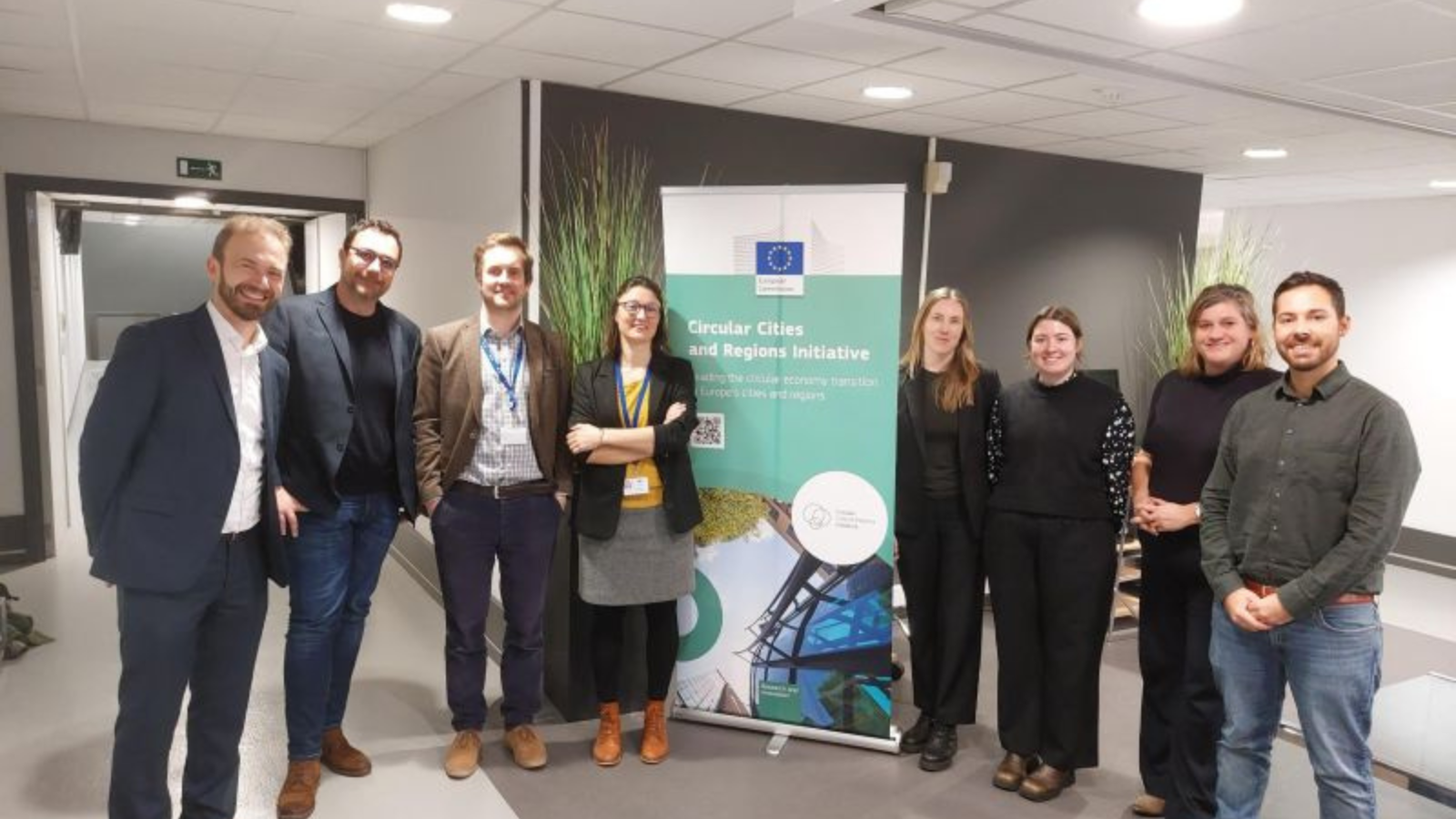
On 25 March 2026, the Circular Cities and Regions Initiative (CCRI) has released its insights to the Circular Economy Act discussions in its newest CCRI report Unlocking the circular economy in European cities and regions: Prioritised policy recommendations for the EU Circular Economy Act.
While the Circular Economy Act will be instrumental for overcoming barriers and strengthen coherence across regulatory frameworks at EU level, continuous practical and comprehensive support schemes for cities and regions remain essential for bridging the divide between Europe’s strategic ambitions and the territorial circular operational reality across Europe’s diverse territories. Therefore, the CCRI reports calls EU policymakers to acknowledge cities and regions as key stakeholders in Europe's circular transition, and to extend the support of the Circular Cities and Regions Initiative, both in scope and in reach for its second phase, providing hands-on support, technical assistance, peer learning opportunities and guidance for making local and regional projects investment-ready.
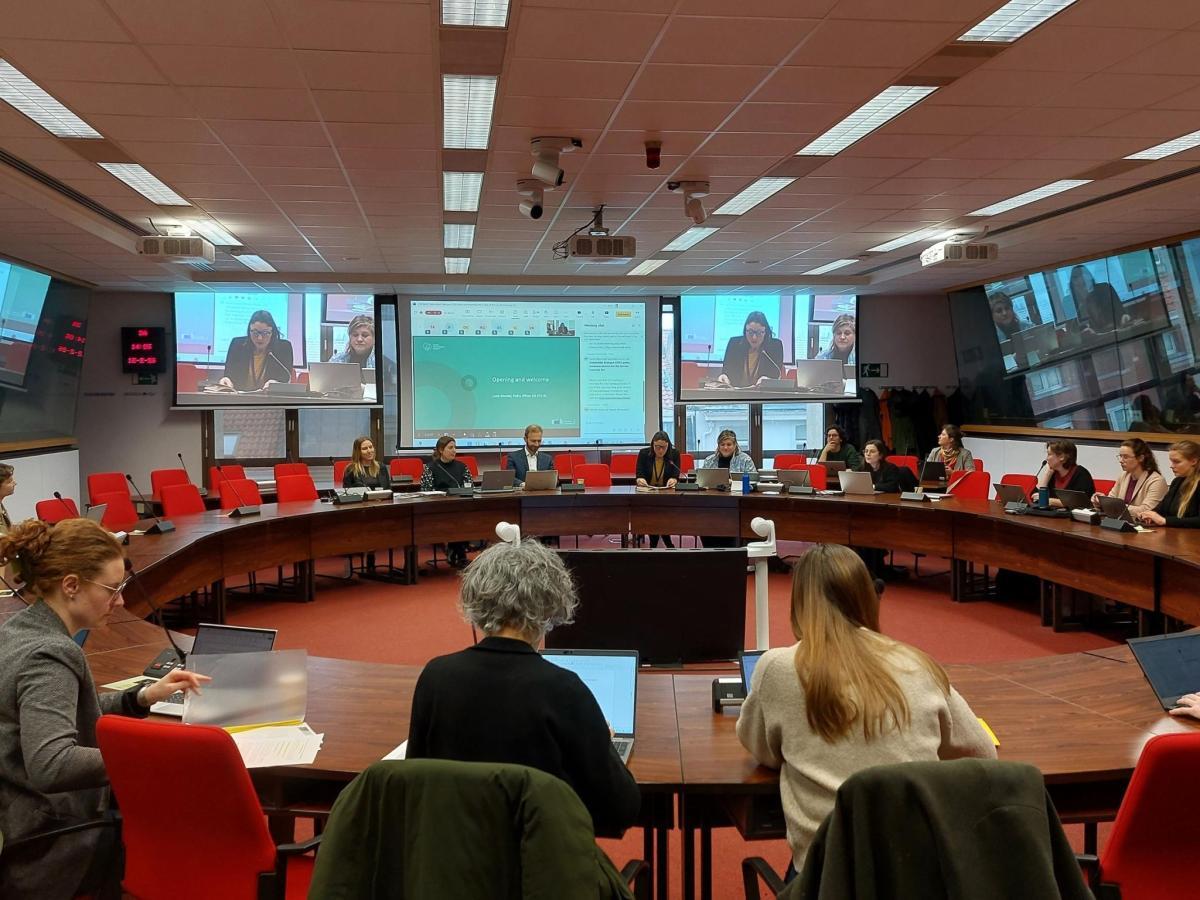
The insights and recommendations of this new report, co-authored by ERRIN, were validated during a hybrid CCRI Stakeholder dialogue organised by ERRIN on 12 February 2026, reaching over 140 stakeholders across Europe. This event marked the final consultation in a series of bilateral and multi-stakeholder dialogues led by ERRIN over the past four years, engaging over 400 local and regional policymakers, researchers, entrepreneurs, experts and civil society.
Beyond a clear call to action for better alignment and harmonisation across EU regulatory frameworks through the Circular Economy Act, the report highlights the need for complementary support measures for cities and regions and calls to:
- strengthen the Circular Cities and Regions Initiative as a central support hub for local and regional circular ecosystems
- Better support administrative capacity building for systemic circular governance, implementation and investments
- position circular economy as a driver of territorial competitiveness and resilience
- scale circular markets through place-based innovation ecosystems and interregional collaboration
Key recommendations
- Leveraging public procurement to drive circular markets: Circular public procurement should be promoted through more binding requirements. This requires a revision of the Public Procurement Directive to incorporate a 'duty to motivate' for circularity, prioritising the best price-quality ratio and standardised life-cycle costing (LCC) methodologies.
- Transforming EPR to incentivise circular design and waste prevention: EPR frameworks should be reoriented into substantive instruments for waste prevention. This can be achieved by anchoring eco-modulation of EPR fees to verified data from the digital product passport (DPP), streamlining EPR compliance, and incentivising higher-level R-strategies such as professional repair.
- Harmonising end-of-waste (EoW) criteria and the waste hierarchy to enable circular material use: The EU should activate Article 6 of the Waste Framework Directive through binding implementing acts to harmonise EoW criteria for high-impact streams. The process should be accelerated through a fast-track mechanism. This provides the legal certainty required for cross-border trade and long-term investments.
- Stimulating demand for secondary raw materials (SRM) via market incentives: To narrow the price gap between virgin and recycled inputs, the EU should introduce a dedicated VAT category for certified recycled-content products and phased, product-specific mandates for strategic materials like steel, aluminium and critical raw materials.
- Optimising WEEE recovery through targeted incentives and design: The leakage and inappropriate disposal of electronic waste should be addressed through the introduction of targeted deposit-return schemes (DRS) for small electronics, the enforcement of 'design-for-disassembly' requirements, and a strengthened framework for the safe collection, storage and treatment of WEEE, based on mandatory standards and safety-by-design EPR financing.
- Scale circular solutions by mainstreaming interregional cooperation and industrial-urban symbiosis (IUS): Scaling circularity requires place-based innovation ecosystems and the strategic alignment of cohesion policy with circular objectives. Addressing the 'circular divide' requires sustained investment in local officials' administrative capacity to orchestrate complex resource exchanges.
What comes next?
Funded by the European Commission, the CCRI Coordination and Office, in which ERRIN is a partner, acts as the central hub of the CCRI ecosystem. It supports the implementation and coordination of CCRI activities, helping cities, regions and territorial clusters transition towards a circular economy. The CCRI Office is a multidisciplinary team of experts in circular economy and works closely with CCRI Pilots, Fellows, Replicators, Projects, and Associated Partners. The first phase of the CCRI Office ran from 2022 to 2025. During the second phase (2026–2029), the CCRI Office will continue expanding its support to more cities and regions across Europe. Please follow the circular economy tag on the ERRIN website if you like to receive updates on forthcoming CCRI opportunities.
- Astrid Hannes
- 26/03/2026
-
Working Group