
AI and mobility: Building interoperable and smart mobility ecosystems across Europe
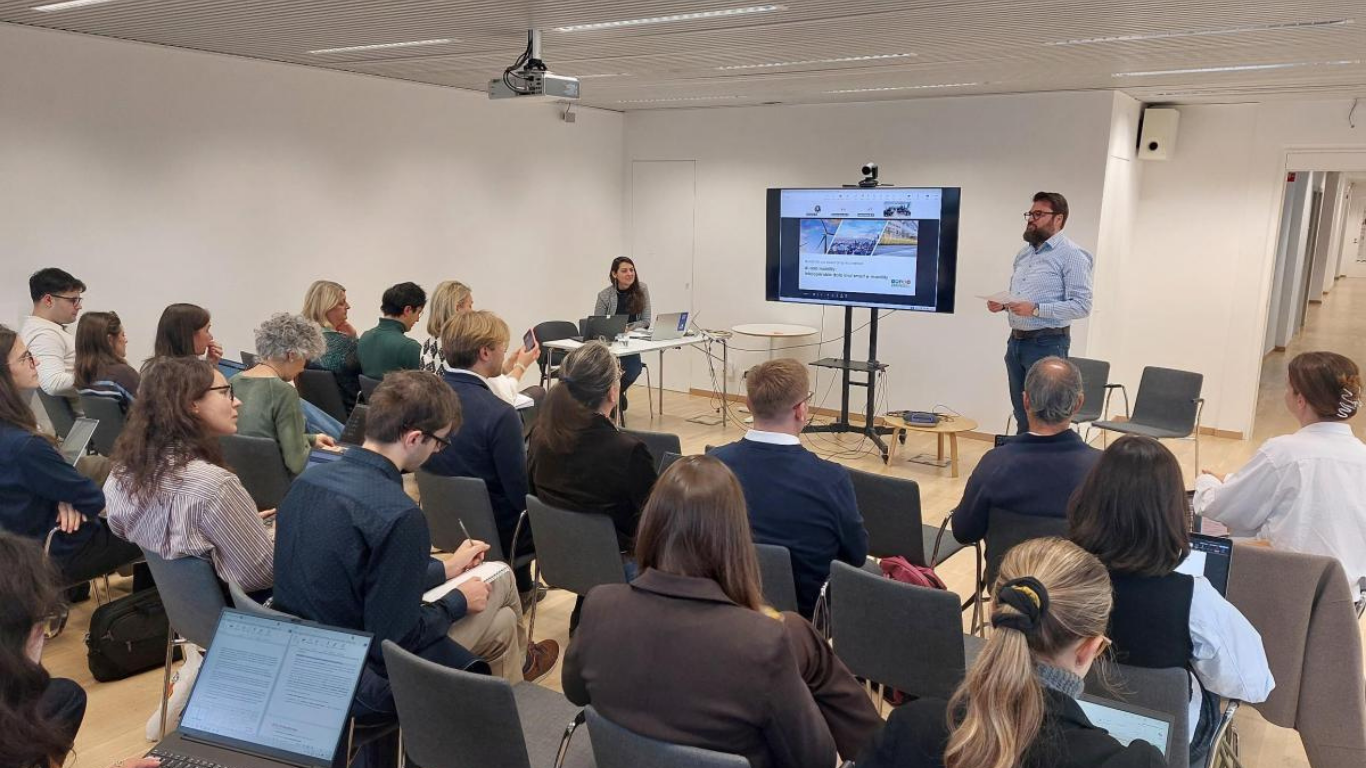
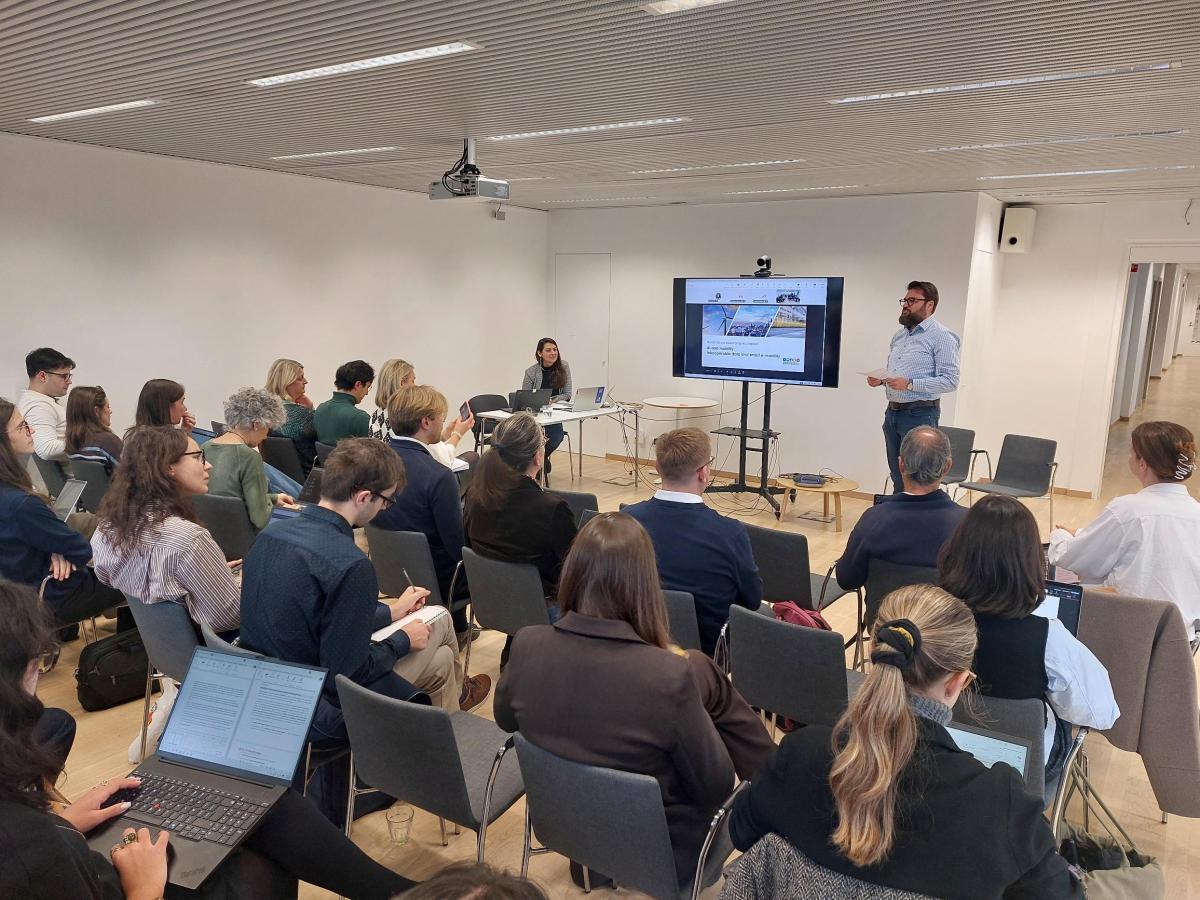
On 21 October, the ERRIN Transport and Smart Cities Working Groups organised a joint meeting on AI and mobility: interoperable data and smart e-mobility. The event brought together representatives of the European Commission, POLIS, technology providers and regional actors to discuss how data sharing, artificial intelligence and digital infrastructure can support more connected, efficient and sustainable mobility systems.
The meeting explored the topic from different but complementary perspectives, moving from European policy and cooperation frameworks to practical applications in data infrastructure, electric vehicle charging and regional digital transformation.
From fragmented data to European mobility services
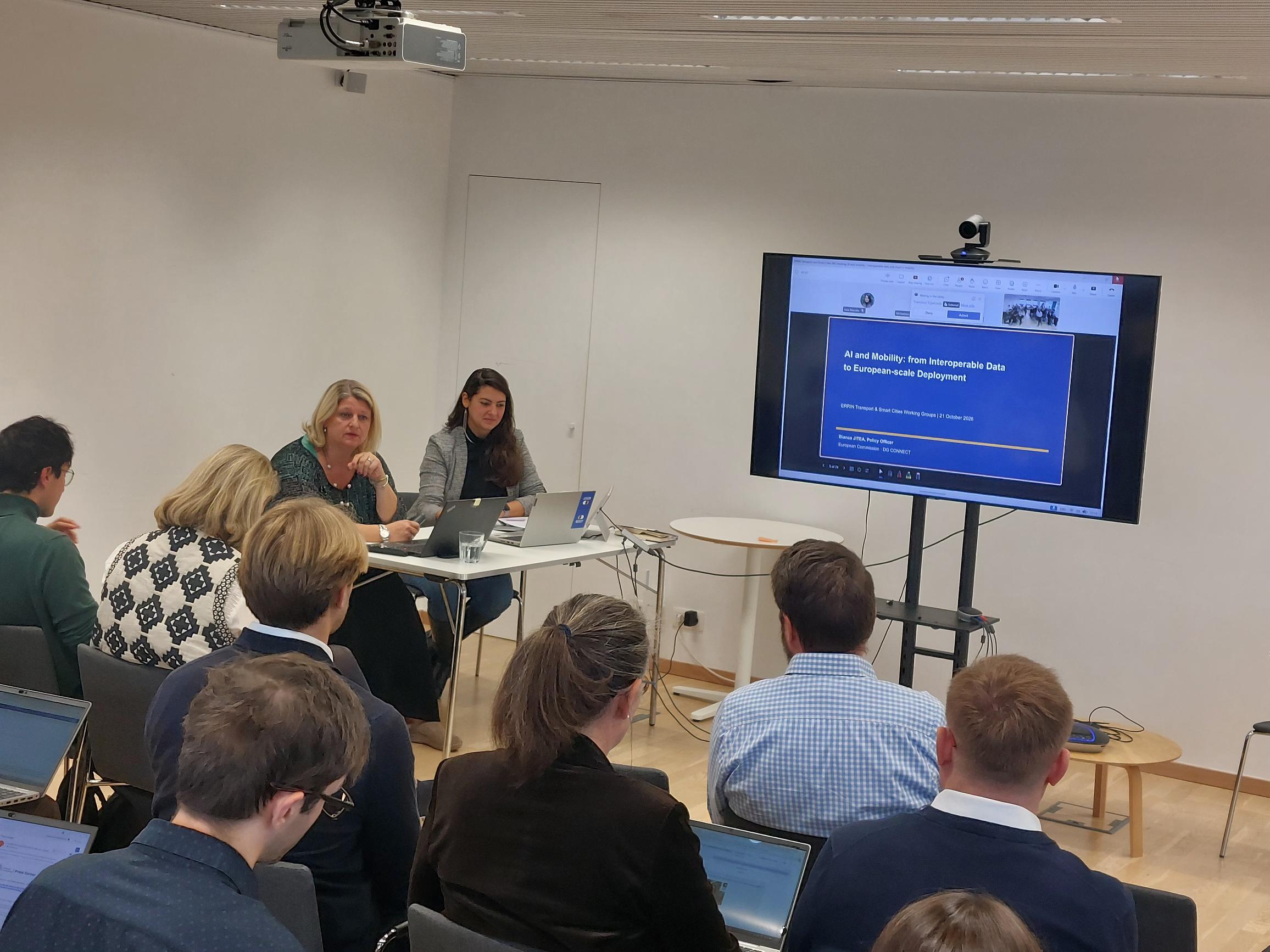
Bianca Jitea from DG CONNECT presented the European approach to mobility data sharing and interoperability. While many mobility innovations emerge locally, fragmented standards, access rules and governance arrangements often make it difficult to connect services across territories or replicate successful solutions.
The European Mobility Data Space aims to address this challenge through a federated approach that connects existing regional, national, public and private data ecosystems rather than replacing them. Initiatives including deployEMDS and boostEDIC are intended to support the transition from local deployment and experimentation towards shared European capabilities. A future Mobility and Logistics Data EDIC could provide a longer-term governance framework led by participating Member States.
Cities and regions have an important role in this process by bringing forward concrete deployment needs, building on existing platforms and pilots and designing solutions that other territories can reuse. Opportunities such as ADACities can also help connect local deployment ambitions with European cooperation and future funding.
Connecting digitalisation, energy and e-mobility
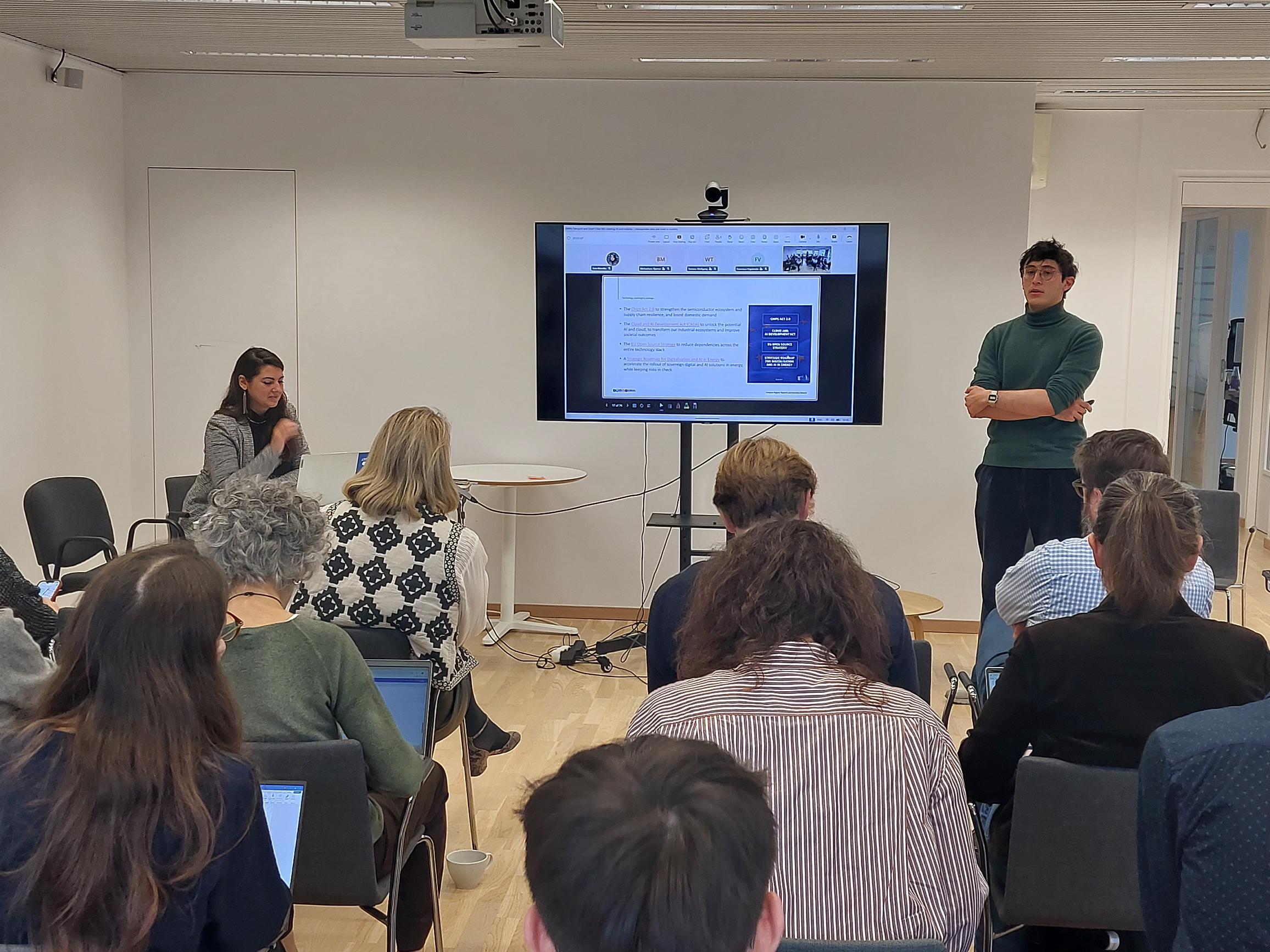
Hadrien Thebault from DG ENER introduced the European Commission’s Strategic Roadmap for Digitalisation and AI in the Energy Sector. The roadmap addresses both the energy needed to support the growth of AI and the potential of digitalisation and AI to improve the operation of the energy system.
Several of its actions are directly relevant to smart e-mobility. These include the development of smart grid indicators, faster deployment of smart meters and a European framework for energy data exchange. Cross-border interoperability of energy data could support flexibility services and bidirectional electric vehicle charging, while trusted data pooling could enable the development of AI models and smart energy services at European scale.
Hadrien also referred to the joint recommendations developed by the Commission’s Smart Energy Expert Group and Sustainable Transport Forum, together with the European Coalition of the Willing on Bidirectional Charging. The recommendations identify practical steps to simplify data exchange for demand-side flexibility, smart charging and bidirectional charging, helping consumers and businesses participate more easily in the energy system. Read more about the recommendations and their relevance for smart charging and energy flexibility.
The presentation illustrated the growing interdependence between mobility, charging infrastructure and electricity networks. Coordinating these sectors will be essential to manage increasing electricity demand while making better use of renewable energy and existing grid capacity.
The perspective of cities and regions
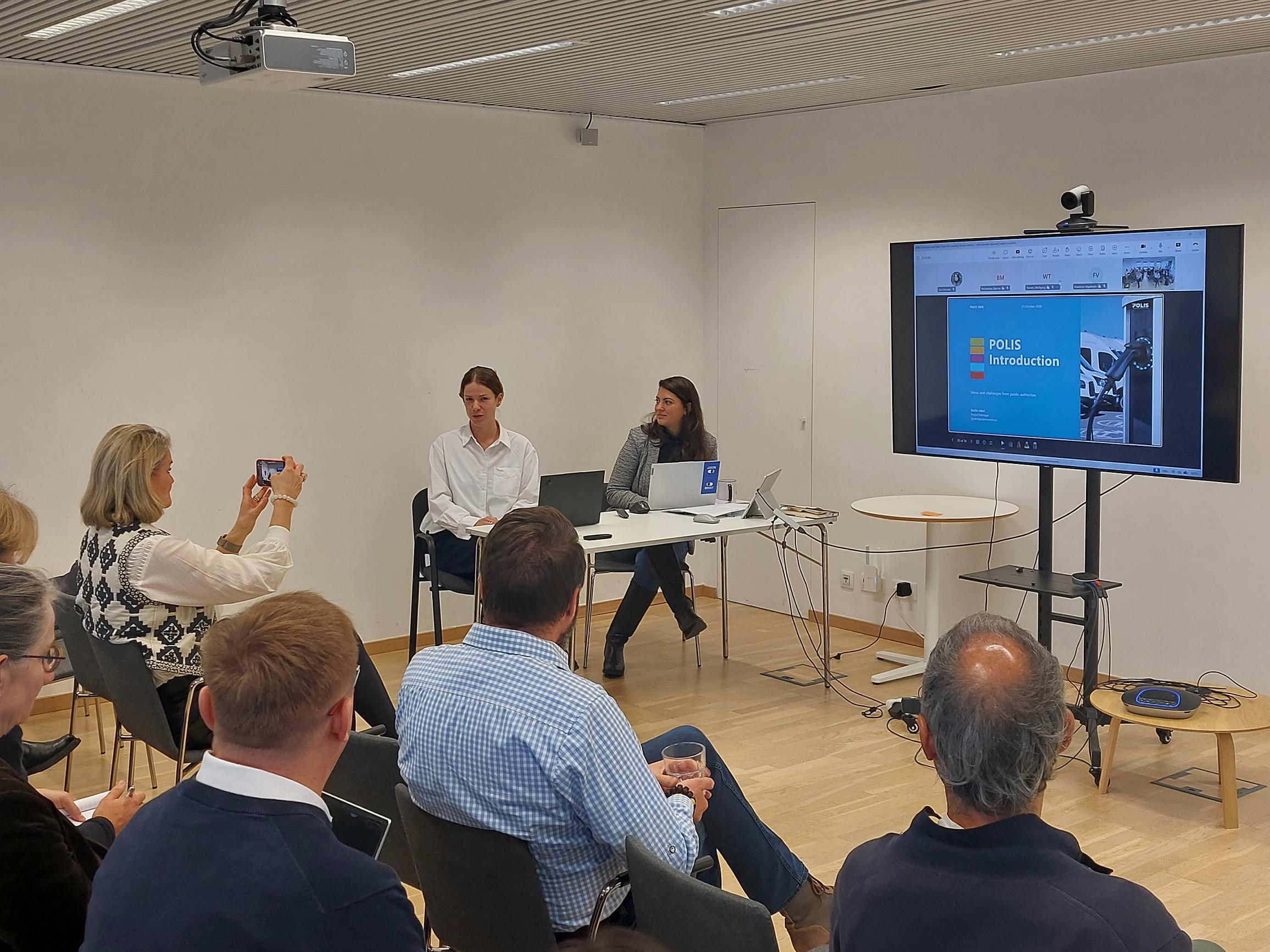
Zsofia Jakoi from POLIS presented the priorities and challenges identified by European cities and regions. Data on alternative fuels infrastructure can help users make informed charging decisions while enabling public authorities to plan charging networks based on evidence and better integrate e-mobility with parking, urban planning and Sustainable Urban Mobility Plans.
However, local and regional authorities continue to face several barriers. These include limited awareness of data requirements, unclear responsibilities across public authorities and data actors and insufficient capacity to collect and use information effectively. POLIS highlighted the need for greater knowledge exchange, accessible common standards, financial support and stronger dialogue between different levels of governance. Closer cooperation between mobility, energy and data teams within public administrations will also be important.
Shared infrastructure for regional competitiveness
Javier Esquillor from Capillar IT explored how shared European digital infrastructure could help independent businesses and public authorities access capabilities that individual organisations may struggle to develop alone.
The presentation showed how interoperable applications, data spaces and local digital twins can connect businesses and territories while allowing participants to retain control over their commercial decisions and data use. Examples from fresh-food logistics illustrated how shared infrastructure could coordinate orders and transport services, connect regional value chains and support cross-border corridors.
Rather than creating parallel systems, regions could identify critical local value chains and connect them to common European building blocks. This approach could reduce fragmentation, support the reuse of digital solutions and ensure that more of the value generated through digitalisation remains within participating regional ecosystems.
AI-enabled charging in Stavanger
Bjørnar Michaelsen from Lyse Agon presented a concrete example of AI-supported charging infrastructure for heavy-duty electric vehicles in Stavanger. The company operates a charging hub with 16 charging points and a total installed capacity of 2.8 MW, supported by an AI-driven battery system.
Its booking solution allows customers to reserve individual charging connectors and provides the connected battery system with information to optimise its operation. Approximately half of the charging sessions are booked in advance, helping make charging more predictable while improving grid utilisation and battery management.
Lyse Agon also uses digital tools to monitor equipment, detect anomalies and identify preventive maintenance needs. Work orders and installers’ schedules can then be prioritised and optimised according to factors such as traffic, travel time, technical skills and service requirements.
Digital transformation as a regional investment journey
Francisco Vigalondo from the Aragon Innovation Office concluded the presentations with a regional reflection on digital transformation. Aragón’s ambition to develop a territorial digital twin forms part of a broader effort to create a region that can learn faster, anticipate challenges and make better-informed decisions.
The presentation introduced the concept of public intelligence, emphasising that technology alone cannot transform a territory. Digital infrastructure and AI can enable change, but their value depends on the capacity of public authorities, businesses, researchers and citizens to understand challenges and act together.
Across the different contributions, a common message emerged: Europe already has a growing range of digital initiatives, data ecosystems and technological solutions. The next challenge is to connect them with concrete territorial needs and develop governance, skills and investment models that allow cities and regions to deploy and scale them effectively.
You can find the presentations on the event webpage.
- Gaia Ialisa Marotta
- 23/10/2026
-
Working Group