
Europe's skills revolution starts in its regions and the new RESET tool can help them
Europe’s skills ambitions need a regional lens
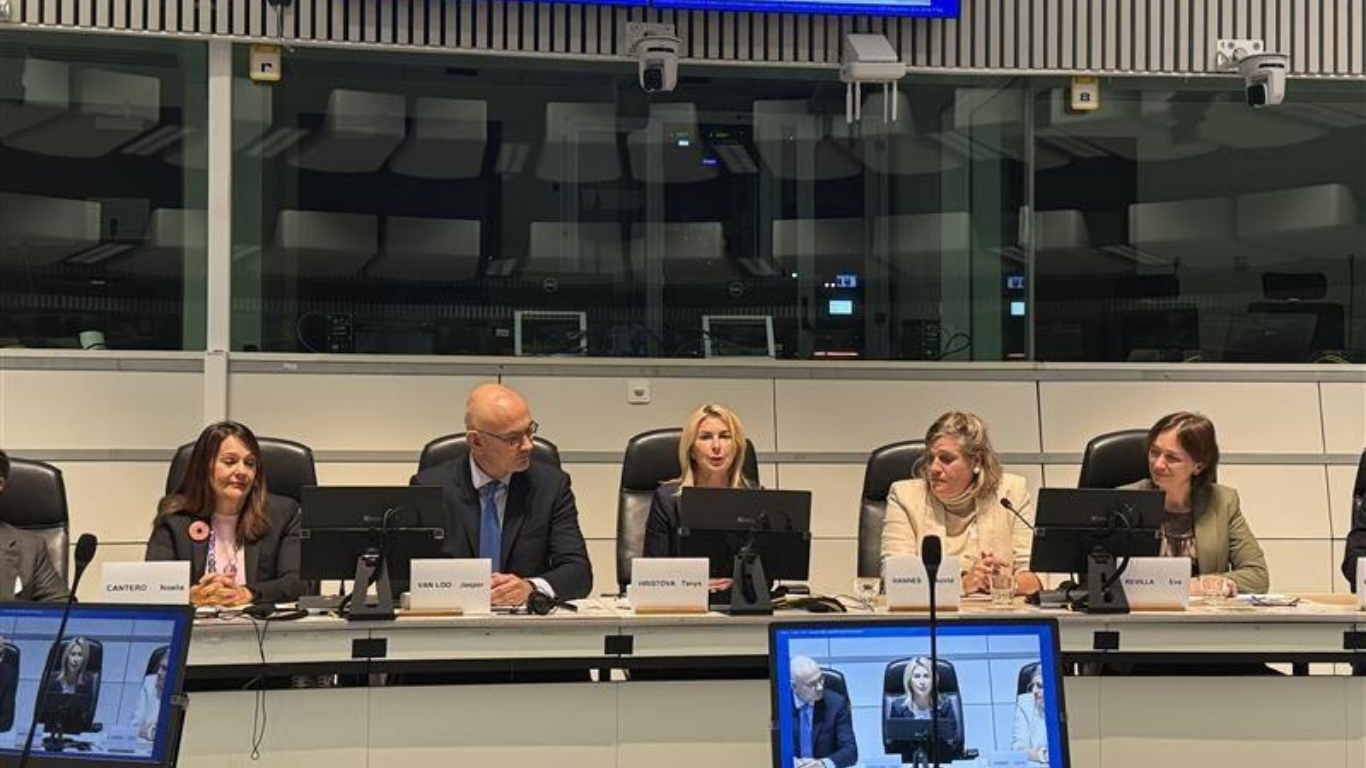
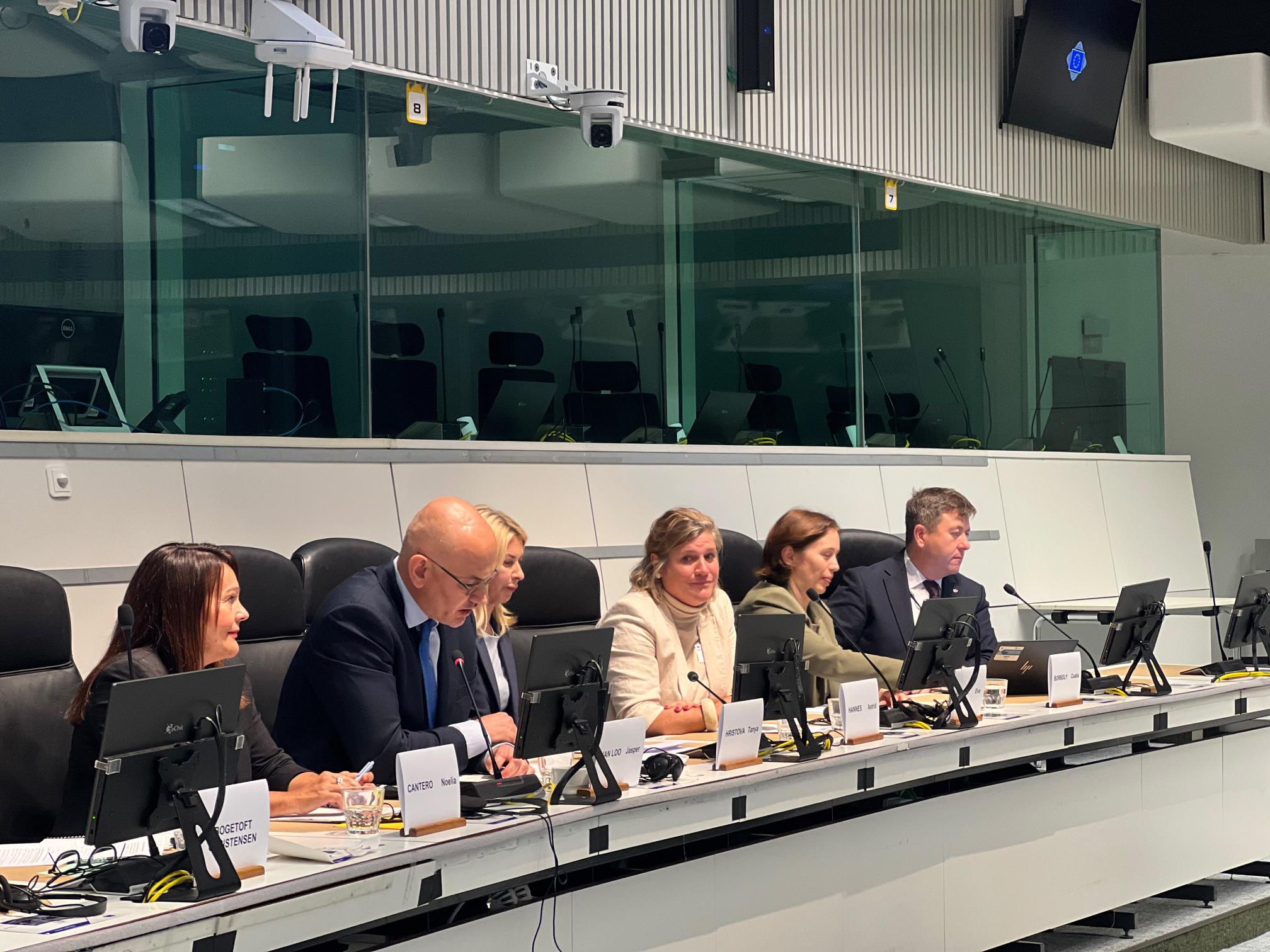
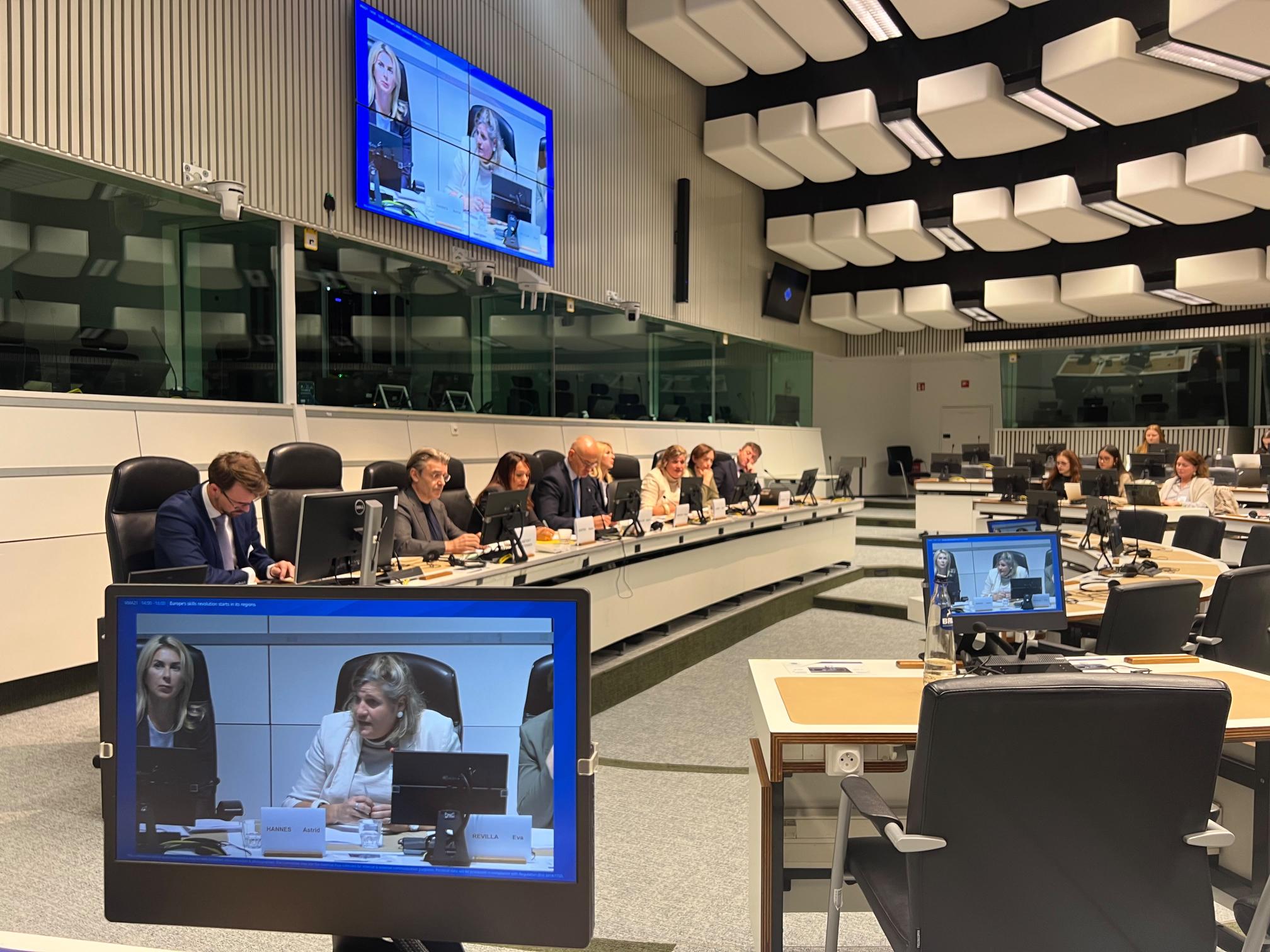
Skills shortages, demographic change, the green and digital transitions, and the race for competitiveness are reshaping Europe’s economy and labour markets. However, these pressures do not affect all territories in the same way. They play out in regions, where labour markets, education and training systems, business and innovation capacity intersect. This was the starting point for Europe’s skills revolution starts in its regions event, held on 8 October 2026 at the European Centre for the Development of Vocational Training (CEDEFOP) the European Committee of the Regions in Brussels. At this occasion, ERRIN was invited to a panel discussion about Setting the framework for skills strengthening competitiveness and quality jobs in Europe’s regions, which placed the regional dimension of Europe’s skills challenge at the centre of the policy debate.
Why regional skills intelligence matters?
Europe’s skills challenges are not evenly distributed. National averages often conceal major differences within countries. One region may have a highly qualified workforce but too few quality jobs. Another may face strong employer demand but persistent shortages of people with the right skills. Policies based on national averages risk overlooking these realities. Regions that fall behind can remain invisible in national statistics, even when they face acute skills bottlenecks or weak enabling conditions.
The gap RESET helps to fill, new evidence for regional action
Regional skills intelligence is therefore critical to support more targeted policymaking by showing where there is room for improvement in education and training systems, labour demand, governance or transitions into work. Developed by CEDEFOP, the REgional Skills EcosysTems index (RESET) aims to bridge the intelligence gap. It is the first multidimensional EU regional index focused specifically on skills and vocational education and training (VET), covers 244 regions across all 27 EU Member States and draws on 37 indicators across four dimensions:
- skills supply
- skills demand
- skills environment
- skills match
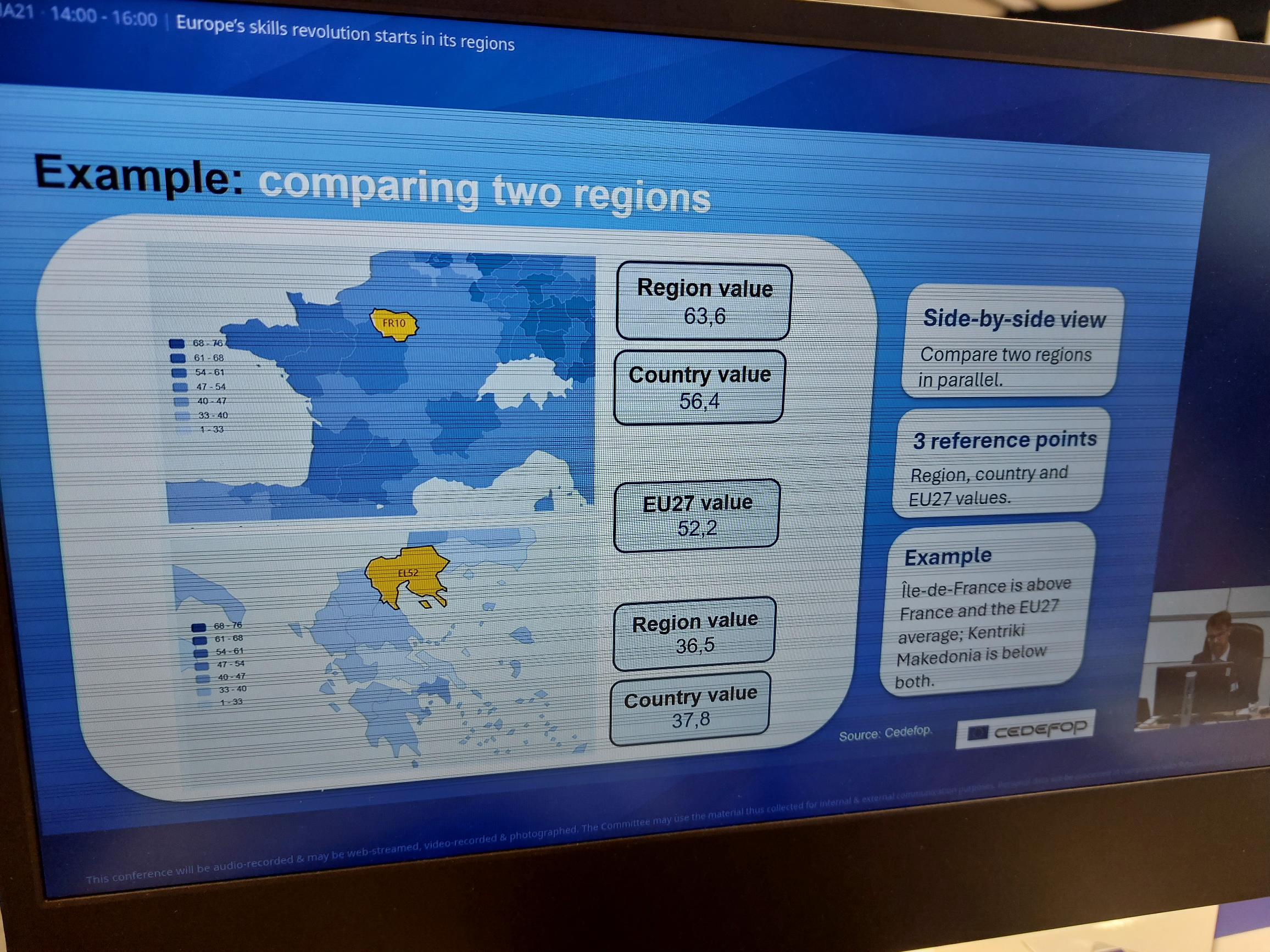
The RESET tool includes indicators on initial VET graduates, enabling more detailed regional comparison for VET. Together, these dimensions offer a more complete picture of how regional skills ecosystems function and can support more targeted policy, better investment decisions, and stronger cooperation between education and training providers, employers and public authorities. RESET enables regions to compare their performance with national and EU averages, see how they rank against other regions and explore their skills supply, demand, environment and matching to understand what drives their results.
More information on the RESET methodology can be found attached.
Supporting Europe’s wider priorities
RESET arrives at a critical moment for Europe. Recent EU initiatives, including the Union of Skills, the Council recommendation on human capital in the EU and the first Conclusions from the European High Level Skills Board, stress the need for stronger skills intelligence and a stronger territorial approach to policy. In July, the European Skills High-Level Board called for stronger regional and sectoral skills ecosystems as part of Europe’s response. Yet no EU-wide tool systematically compares regional skills ecosystems across all Member States. RESET supports this wider agenda. It can inform Regional Skills Partnerships under the Pact for Skills and contribute to the goals of the Union of Skills by helping policymakers and practitioners identify needs and focus action where it is most needed.
Bringing regional stakeholders into the skills conversation
The event also underscored CEDEFOP's role as a trusted authority in Europe’s skills landscape and highlighted the value of its granular skills intelligence. By convening EU institutions, the Committee of the Regions, regional stakeholders and skills actors, CEDEFOP opened a timely dialogue on how stronger regional skills ecosystems can be built and supported. RESET’s value will grow as regions use it to benchmark performance, identify challenges, shape strategies and learn from one another. In doing so, it can support a more joined-up, place-sensitive approach to Europe’s skills ambitions.
How can RESET help regions?
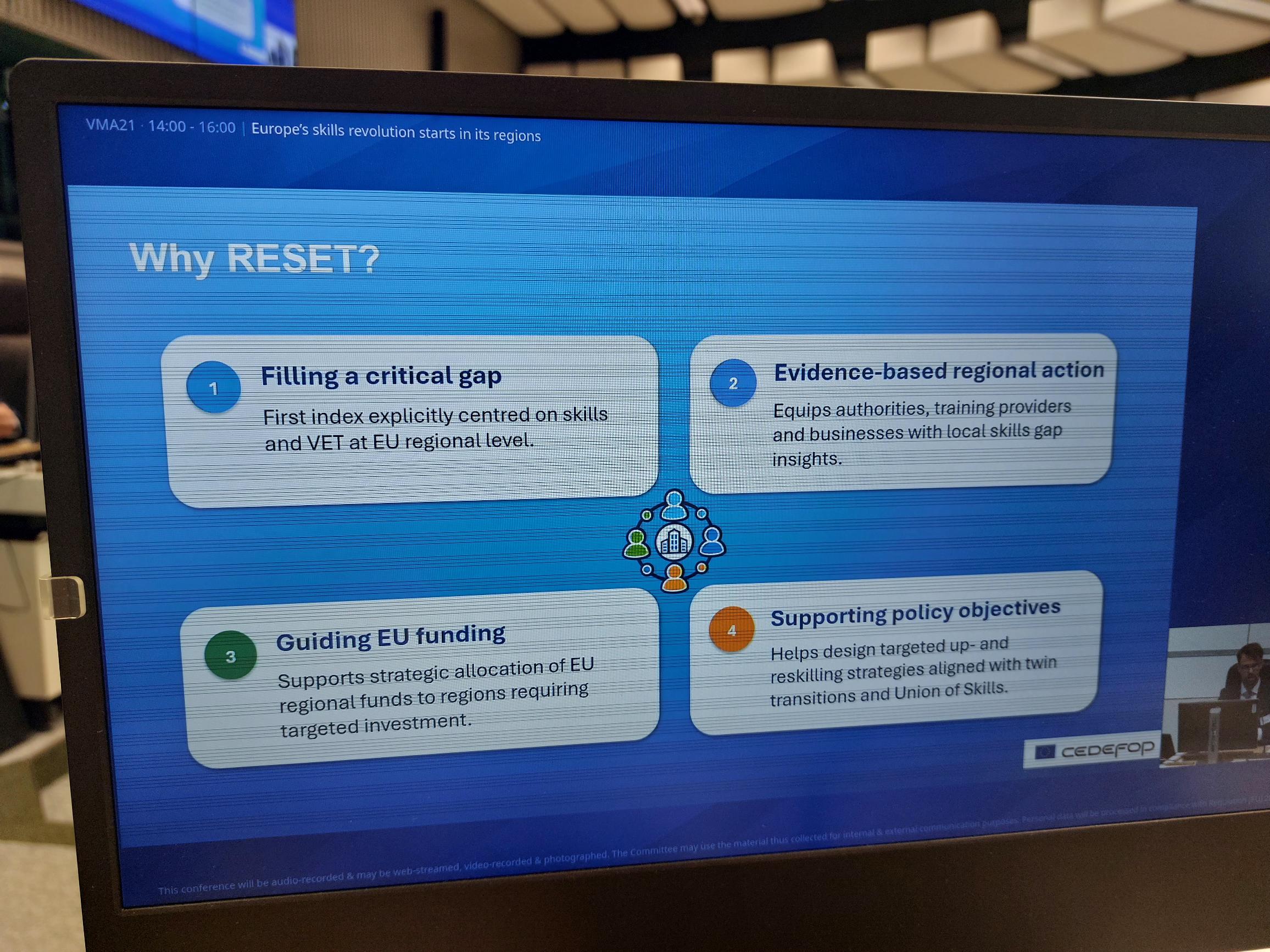
RESET offers a robust basis for benchmarking regions, showing patterns of strength and challenges, and supporting evidence-based skills strategies at EU, national and regional levels. RESET offers authorities, social partners, employers and education providers a shared basis for dialogue, helping identify priorities for action.
- EU level: use RESET to strengthen the territorial dimension of EU skills policy, including implementation of the Union of Skills and the Conclusions of the European Skills High Level Board.
- National level: combine RESET findings with national evidence and examine regional differences with providers, employers and social partners to identify regions needing targeted support.
- Regional level: use RESET to inform regional skills strategies, smart specialisation priorities and regional skills partnerships between education and training providers, employers and public authorities.
- VET providers and social partners: use RESET evidence to improve the responsiveness of provision, strengthen school-to-work transitions and address regional skills mismatches.
- Short to medium term: build on RESET to identify high-performing and improving regions, support peer learning and develop case studies of transferable regional practice.
CEDEFEOP would very much welcome feedback and suggestions from regions for further improving the tool (like including other datasets, improve some data visualisations for instance). CEDEFOP is also open for organising a practical online training session on how to use RESET, if there would be an big interest in this. ERRIN members can express their interest in such a session by sending an e-mail to astrid.hannes@errin.eu. Credits for the text and pictures in this article to CEDEFOP.
More about Skills in ERRIN's work
ERRIN's Science and Education for Society Working Group monitors the EU policy developments in the field of skills, and has previously echoed the importance of the regional level in the implementation of the Union of Skills. The topic of skills ecosystems has been at the centre of ERRIN discussions earlier in 2026: Skills for Competitiveness, Skills for Resilience, Skills for Security, Defense and Preparedness and Blue Skills Talk.
RESET Launch
- Astrid Hannes
- 22/10/2026
-
Working Group
-
Document