Investing in regions with cohesion policy for a more competitive Europe
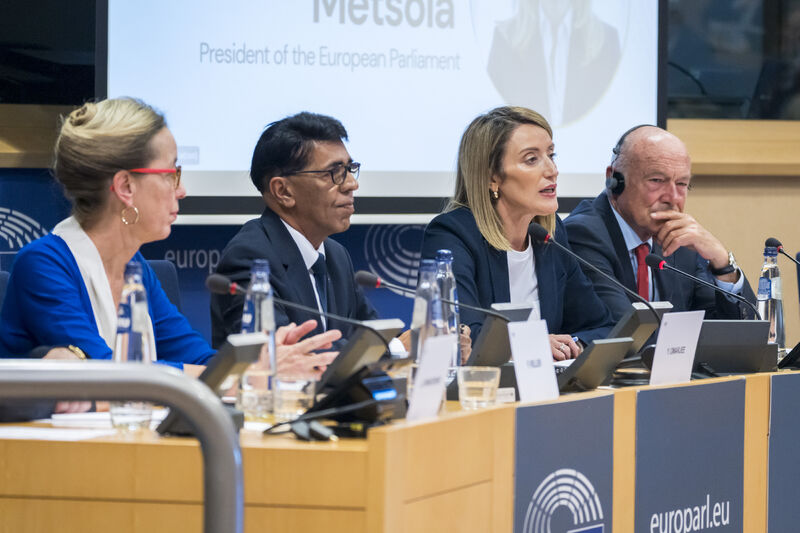
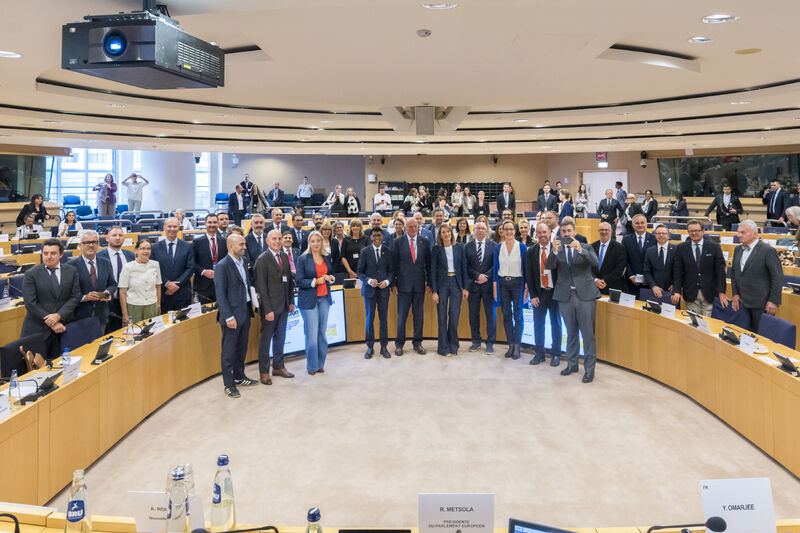
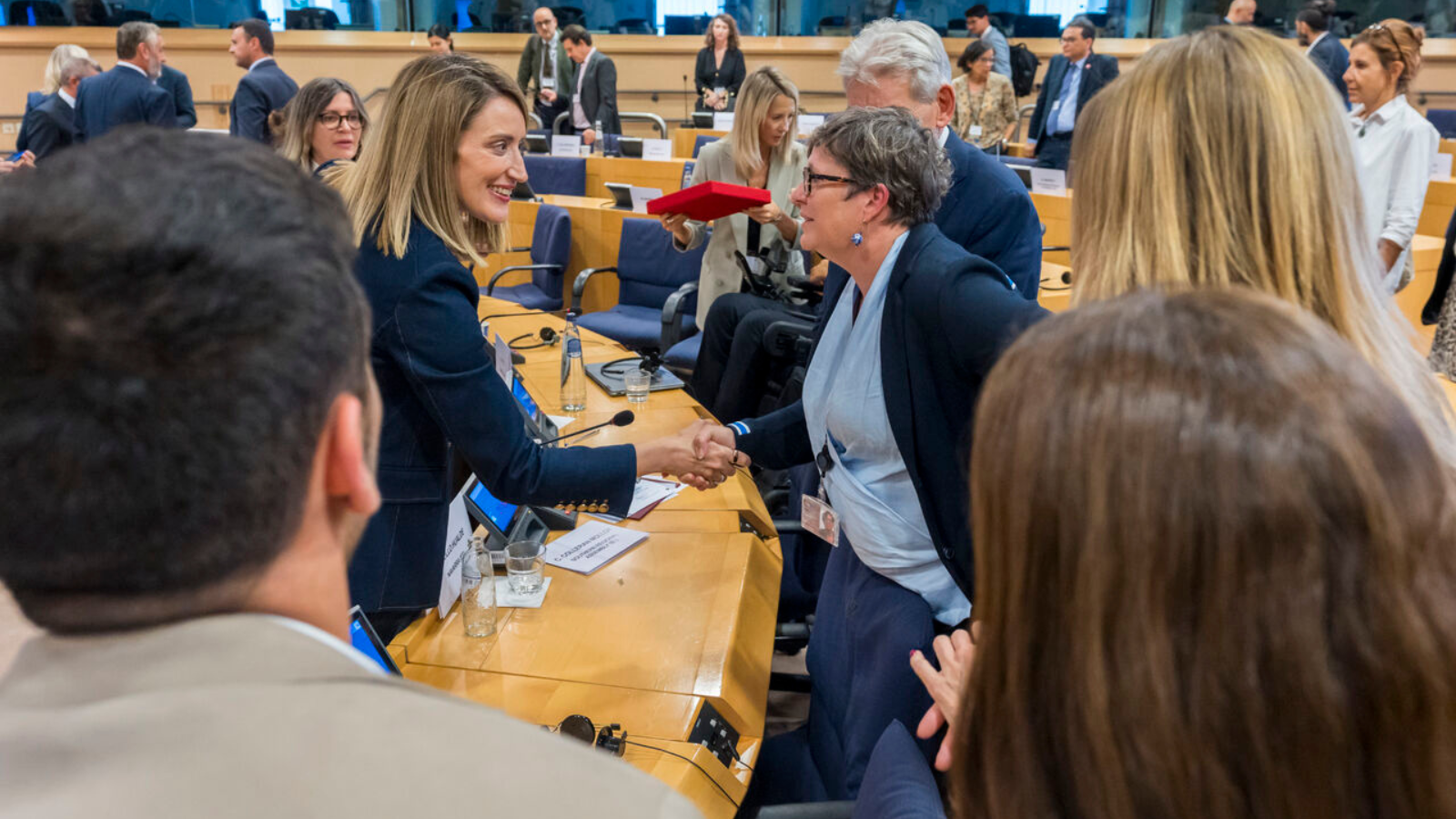
On 29 September, ERRIN joined the debate at the European Parliament on the future of Cohesion Policy and the 2028–2034 EU budget. The event brought together more than 35 regional presidents and ministers from the EUregions4cohesion initiative and over 30 Members of the European Parliament.
Co-organised by Emilia-Romagna and Nouvelle Aquitaine regions and the European Parliament, the debate was hosted by Vice-Presidents Younous Omarjee, Javi López and Antonella Sberna. The discussions were led by the coordinators of the initiative, Alain Rousset, President of Nouvelle-Aquitaine, and Davide Baruffi, Regional Minister of Emilia-Romagna.
With negotiations on the next Multiannual Financial Framework maturing, the coalition presented its new position paper, 'Investing in Regions with Cohesion Policy for a More Competitive Europe'. The paper calls for a strong, adequately funded and place-based Cohesion Policy for all regions, grounded in subsidiarity, partnership and multilevel governance. It also asks for simpler rules, a lighter administrative burden and better synergies with other EU programmes, particularly on competitiveness and the climate transition. The paper also includes a set of recommendations on place-based innovation, smart specialisation and the European Semester.
"We need to move beyond the perceived dichotomy between cohesion and competitiveness, because competitiveness is built within territories and regional ecosystems," said Davide Baruffi.
Closing the event, European Parliament President Roberta Metsola said the Parliament is committed to keeping cohesion a distinct policy with its own robust and dedicated budget. She described it as "a long-term investment" in Europe's regions and citizens. She also warned against developing separate national budgets carrying an EU label and called for simpler rules and faster delivery.
EUregions4cohesion was launched in May 2024 by and now brings together 144 regions from 20 countries. ERRIN supports the initiative, and more than 60 of its members are part of the initiative.
Access the position paper here