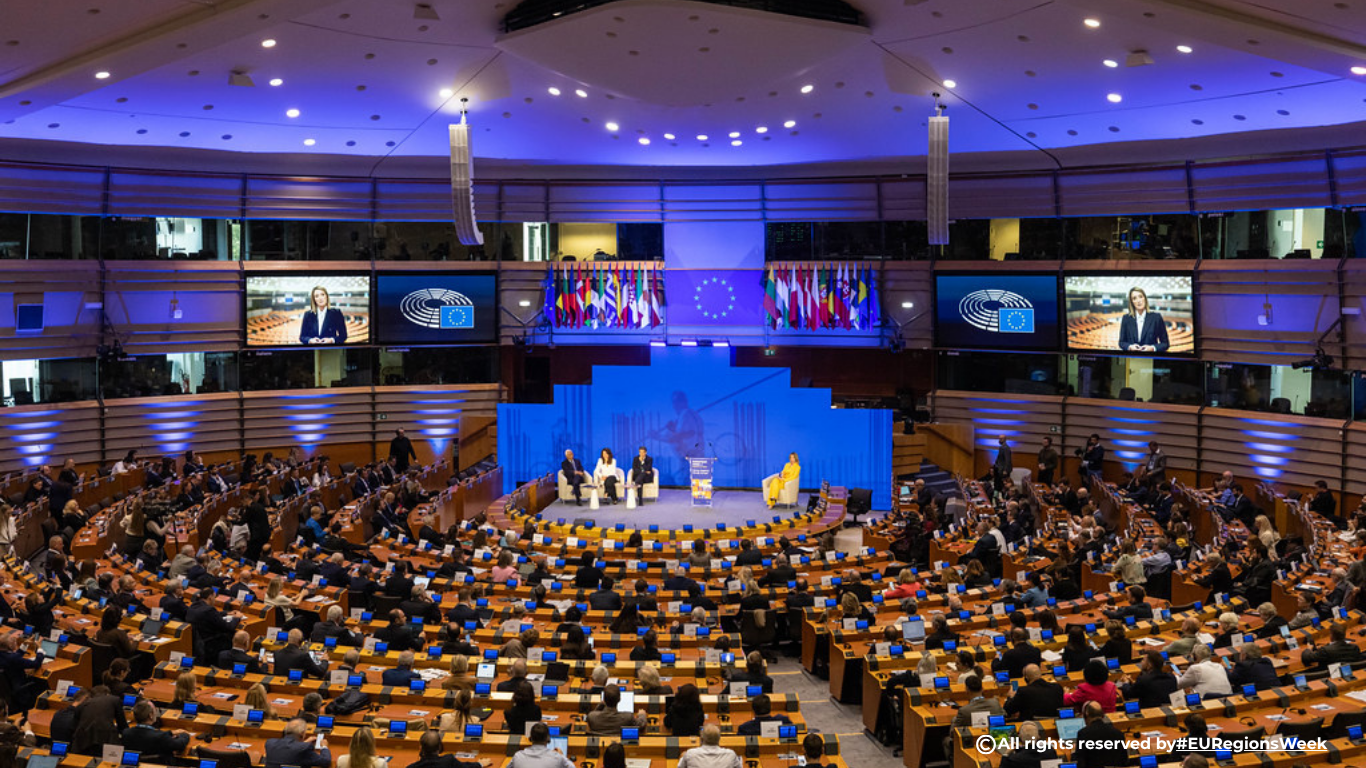
Strong regions, strong Europe: ERRIN at the European Week of Regions and Cities 2026
The European Week of Regions and Cities took place in Brussels from 12 to 14 October under the motto "Strong regions, strong Europe". As every year, the ERRIN team was there throughout the week, moderating sessions, following debates and meeting members. With so many sessions on the programme, it was hard to choose.
Place-based innovation and the next MFF
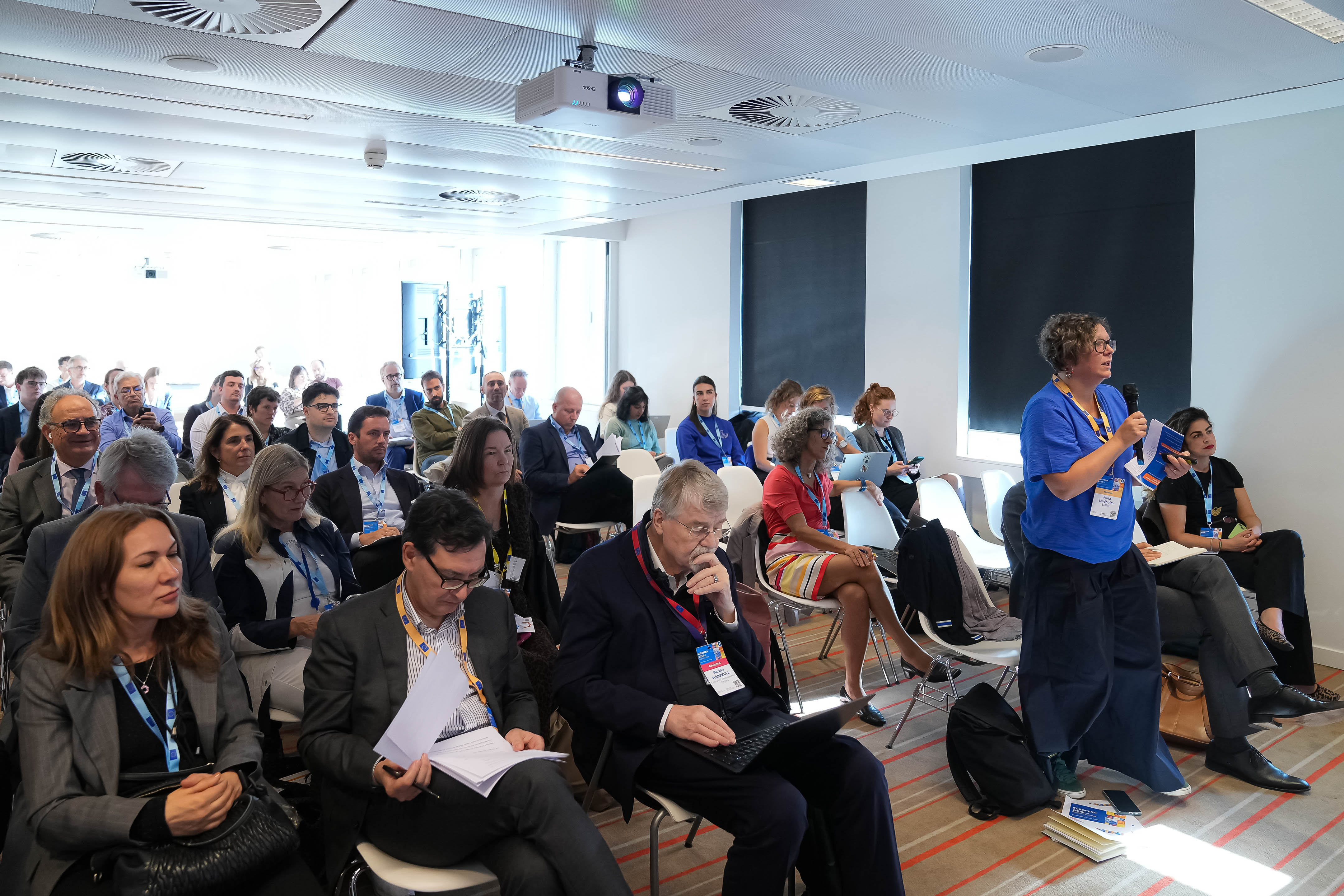
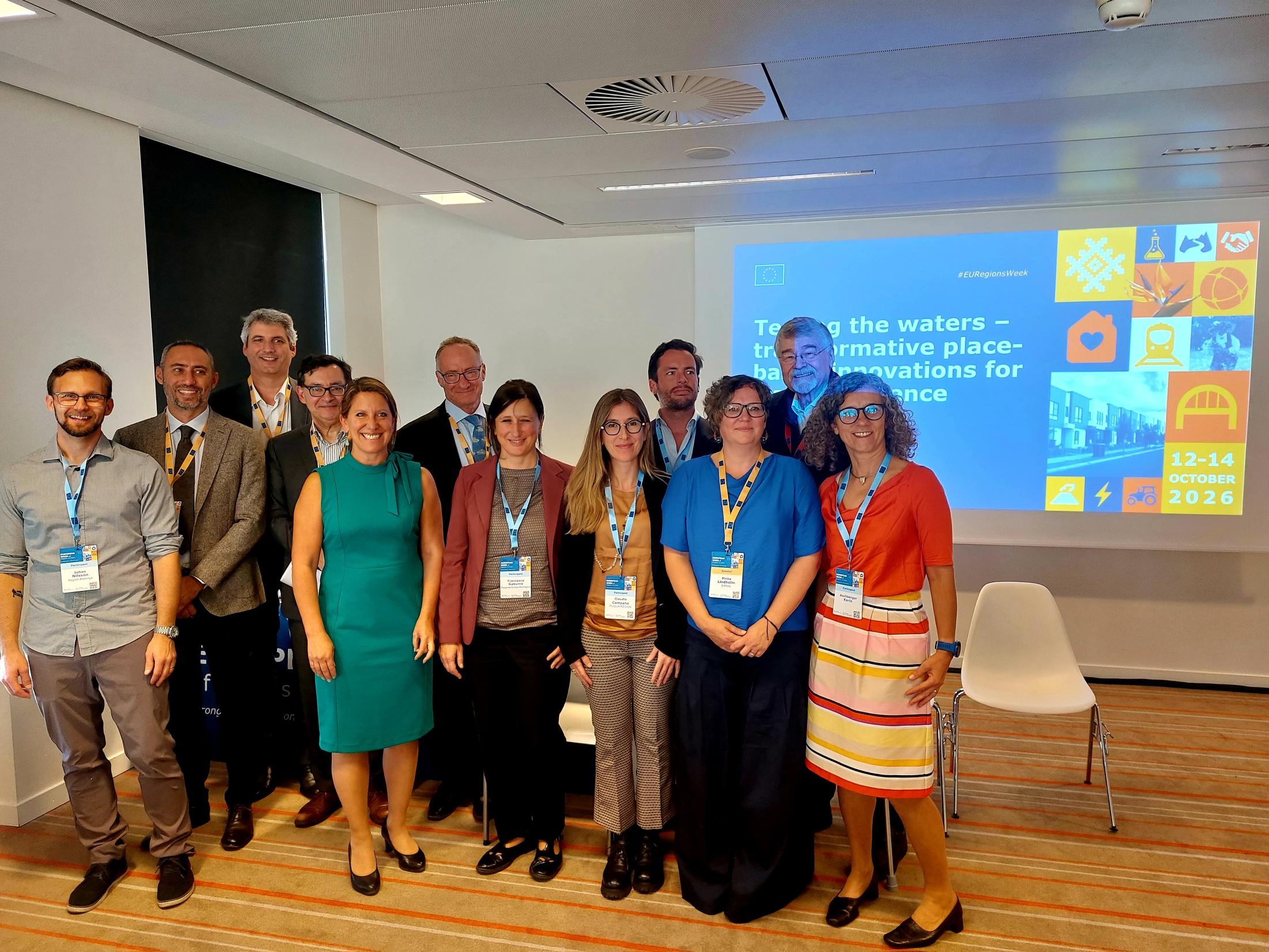
On 14 October, ERRIN and the European Commission’s Joint Research Centre organised Testing the waters, a session on place-based innovation for water resilience moderated by our Director Pirita Lindholm. Regions presented the water challenges they face and the pilots they are running, and the debate with the Committee of the Regions and the EIB looked at how these local projects can be scaled up and financed. The regions continued the conversation at the ERRIN office on 15 October during an Experimentation Journey meeting on Water Resilience, co-organised by ERRIN, Climate KIC and JRC in the context of Innovation for place-based transformation project
How to scale up and finance local solutions is also one of the big questions for the next EU budget. With cohesion policy set to move to National and Regional Partnership Plans and a new European Competitiveness Fund proposed, the side event Putting the MFF in its place, organised by EURASHE with Friends of Smart Specialisation and CEPS, looked at how much room the 2028 to 2034 MFF will leave for place-based approaches.
Other sessions, on the role of provinces, place-based innovation and the Arctic, showed what regions already achieve with cohesion funding, from turning research into jobs to keeping rural areas attractive. They support a point ERRIN has been making in its MFF advocacy, that EU funding works best when regions help shape how it is spent.
EU Missions
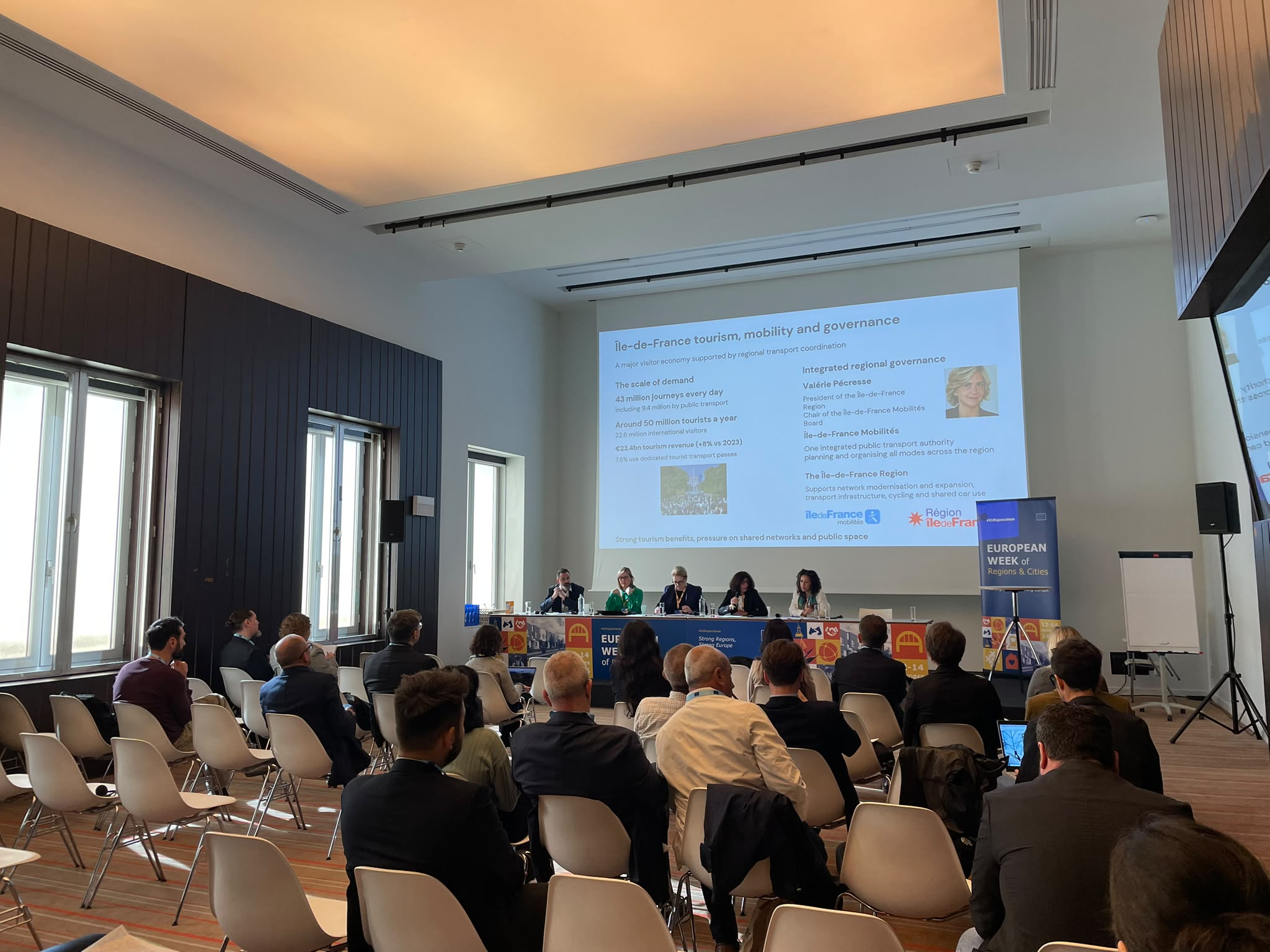
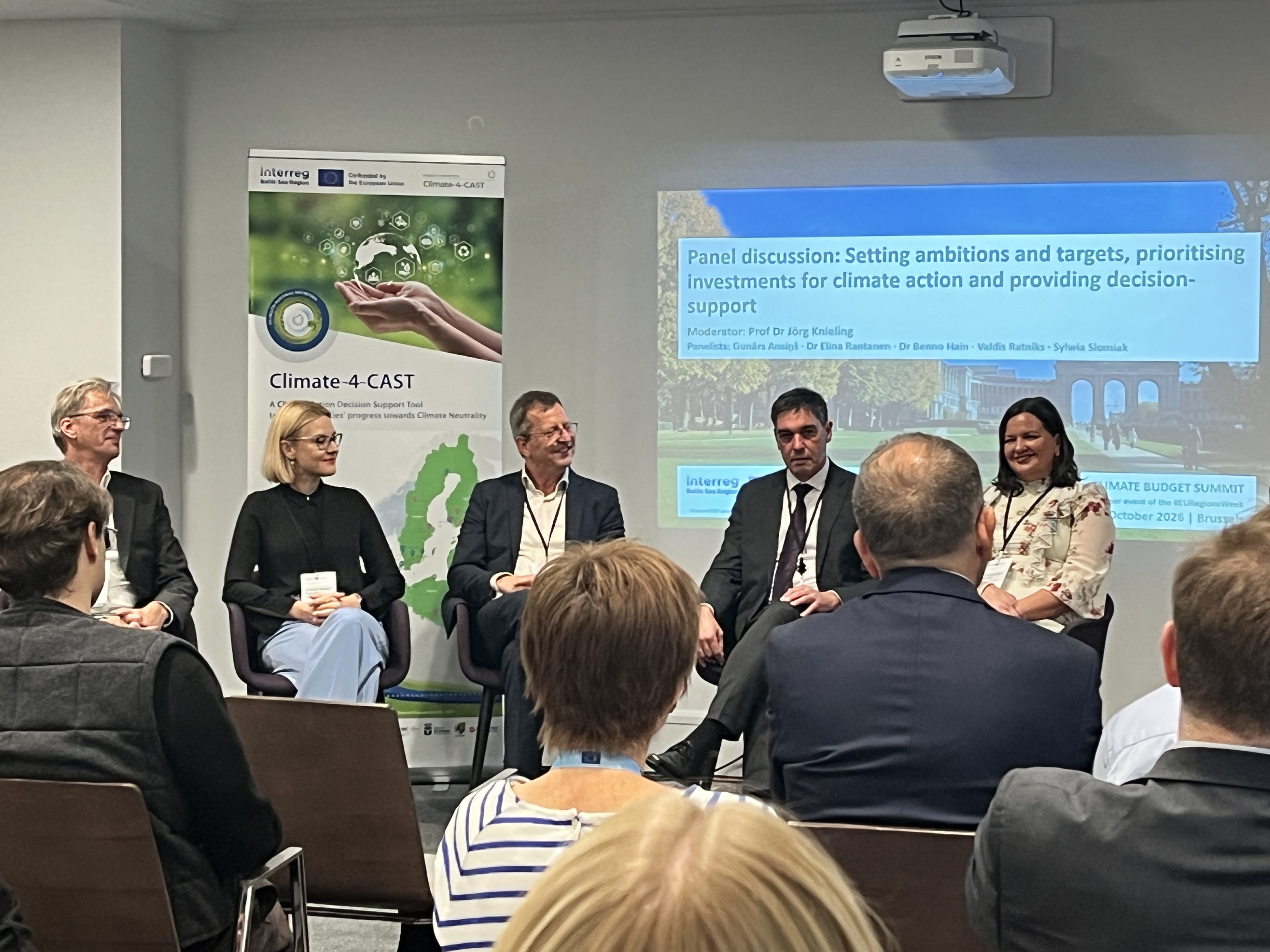
Water was one of several Mission-related topics during the week, alongside soil health and Living Labs, climate neutral cities and climate budgeting. Nature Day and a session on managing tourism mobility in cities added further perspectives on sustainable cities and territories.
On 15 October, our policy dialogue, co-moderated by Pirita Lindholm and Philippe Tulkens of DG RTD, asked how to keep the momentum of the EU Missions in the next EU budget. DG CLIMA reminded participants that the Missions, now halfway through, must stay mission-oriented, and invited regions and cities to share responsibility with the EU and Member States for adaptation and mitigation. Five ERRIN members shared how the Missions help them build capacity, bring departments together and access new funding, even if they are still under-recognised at national level. MEP Eszter Lakos echoed these points, calling for mission orientation in the future EU investment architecture and stronger multilevel governance. The conclusion from the room was that the Missions are already driving change in regions and cities. Their long-term impact will depend on whether the European Competitiveness Fund and the National and Regional Partnership Plans build on them. Read here the Mission Letter endorsed by ERRIN members
Attracting and keeping talent
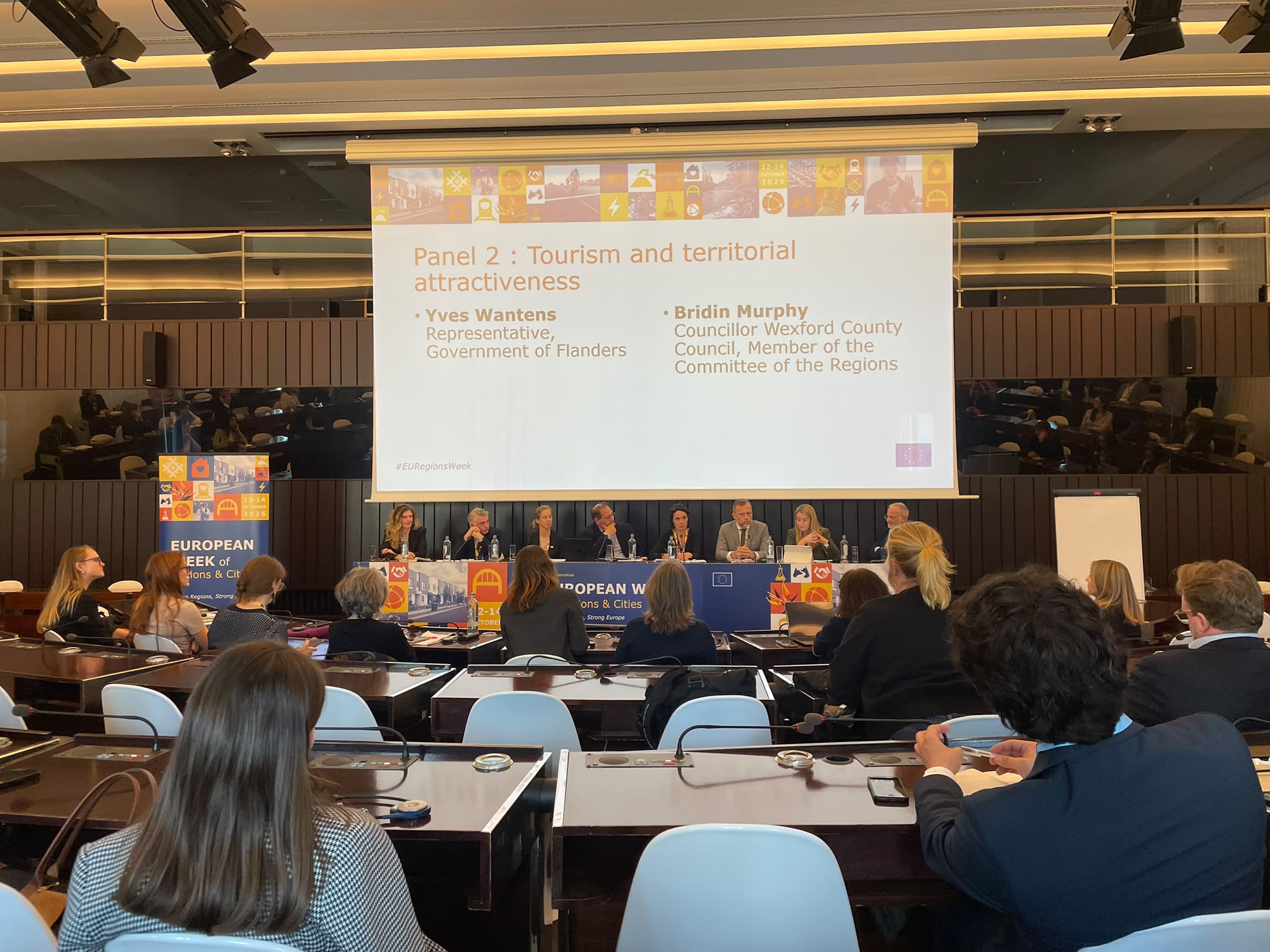
Two more sessions were moderated by ERRIN colleagues. Astrid Hannes, our Head of Projects, moderated the roundtable Attracting Talent for Strong Regions: policies and tools for sustainable territorial regeneration. Puglia, Emilia-Romagna, the Regional Development Fund of Western Greece, ARTI Puglia and EURADA then discussed how local action on talent can feed into European policy.
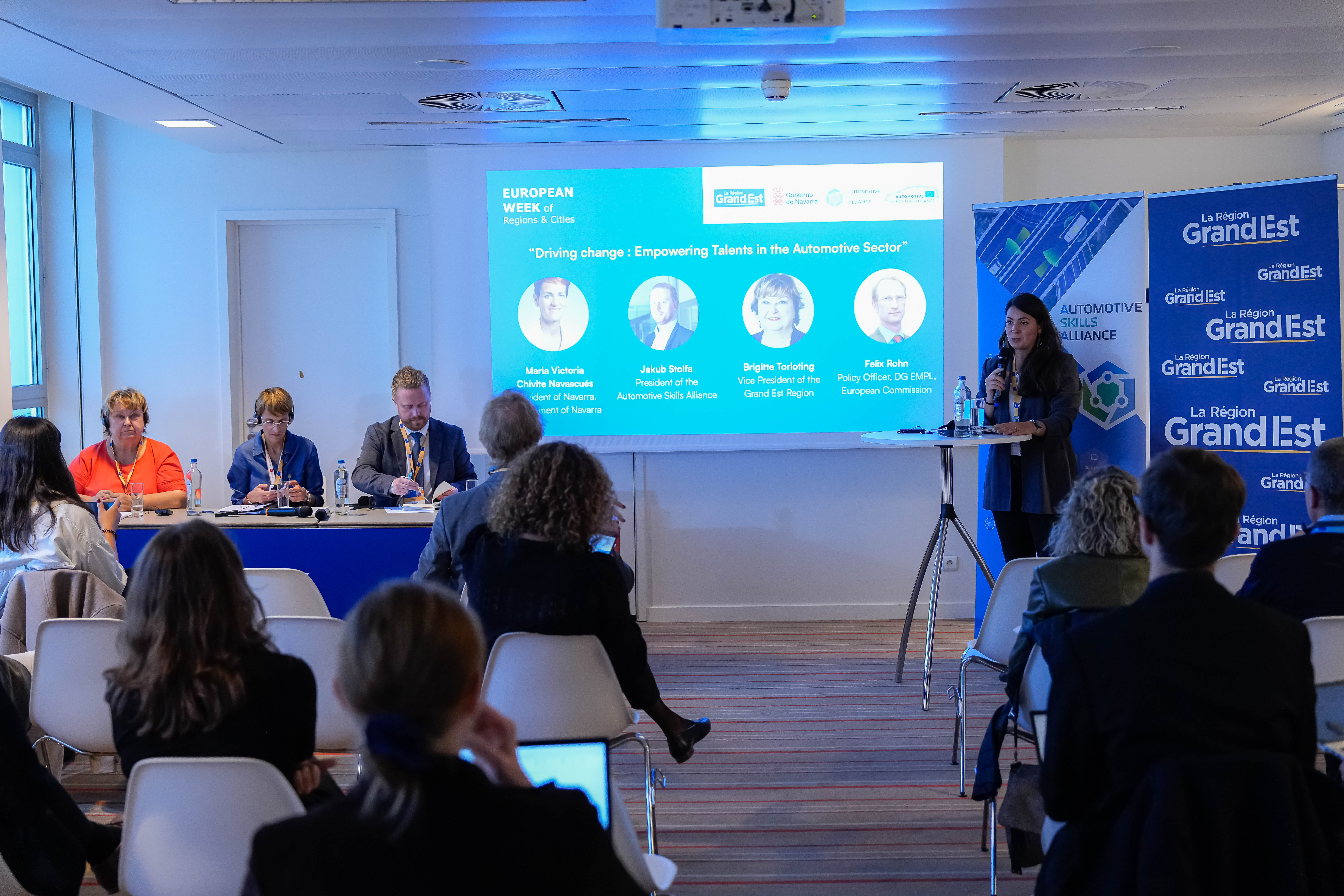
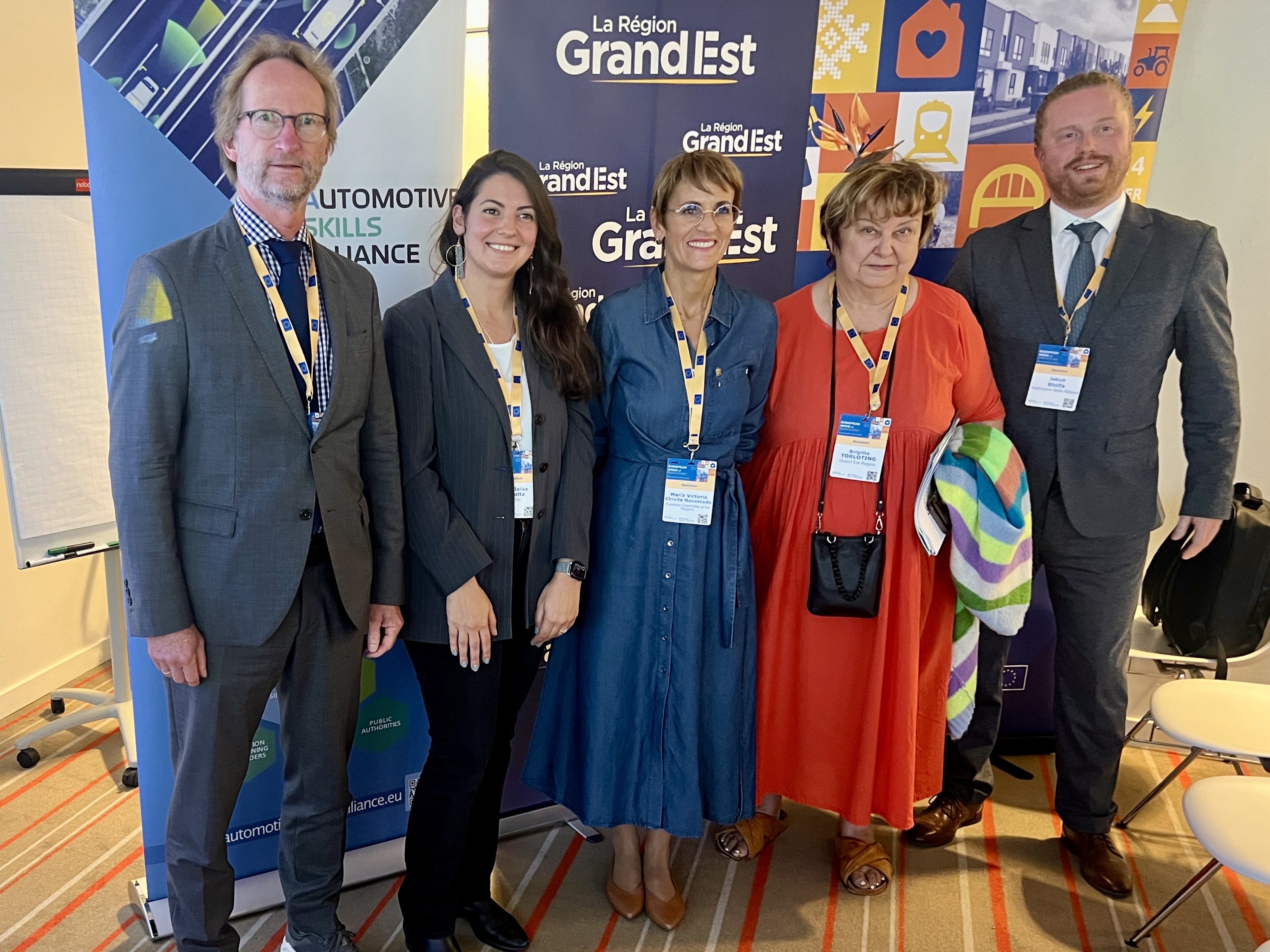
Gaia Marotta, Project & Policy Manager, moderated Driving change: Empowering talent in the automotive sector, bringing together the European Commission, regional leaders and the Automotive Skills Alliance. The discussion explored regional challenges around talent attraction, retention and reskilling, the social dimension of the automotive transition, and how interregional cooperation and EU support can help regions respond to changing skills needs.
Both discussions showed how much regions are already doing to attract and train people, and where they would like more support from EU policy.
Culture and heritage
Culture was another recurring theme, with sessions on protecting heritage in wartime, on shared history as a basis for cooperation between regions, and on the contribution of culture to health and wellbeing. These topics are close to the work of our Culture and Creativity Cluster.
Missed a session or want to listen to it again? Watch the recorded sessions.
Meeting our members
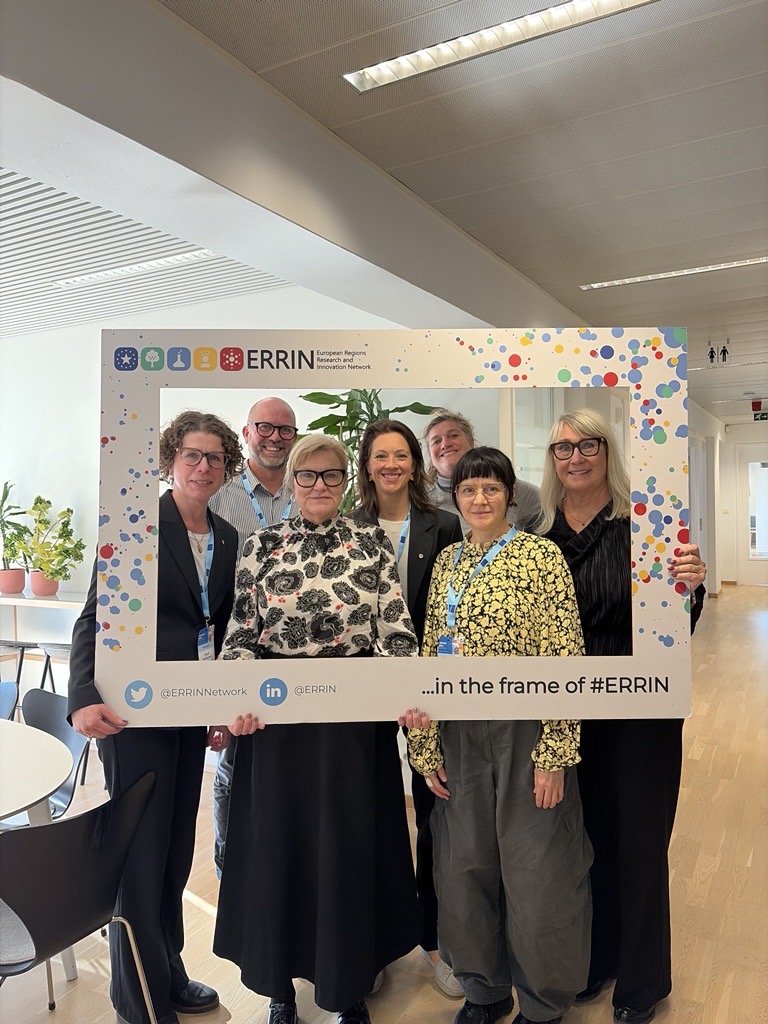
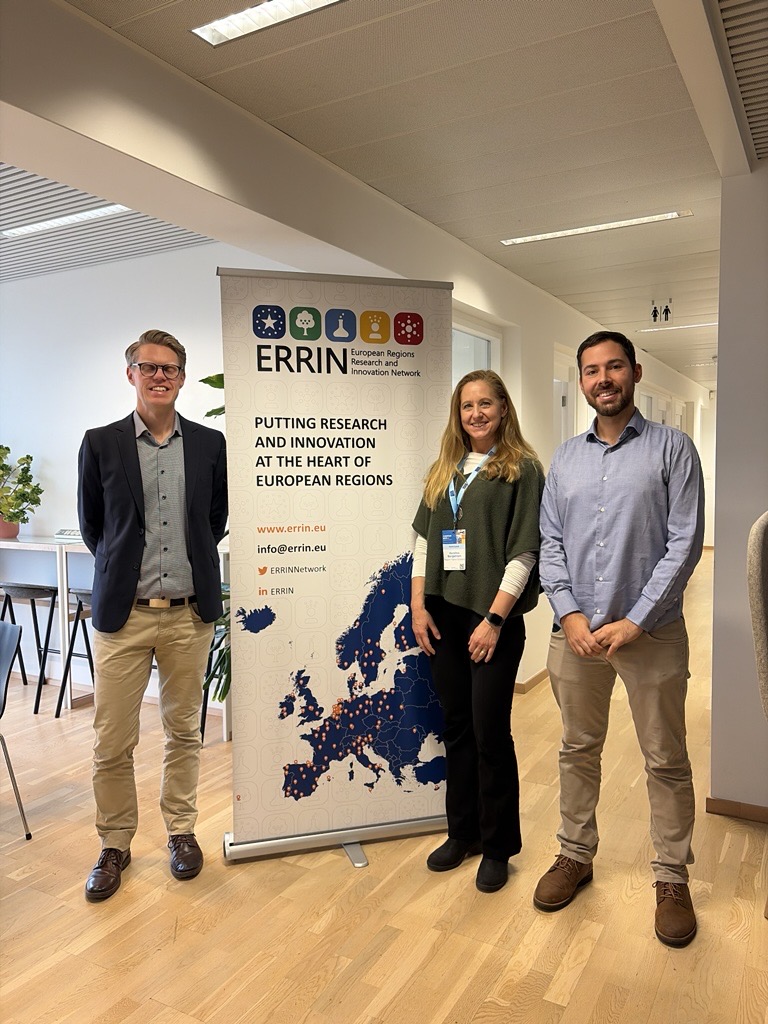
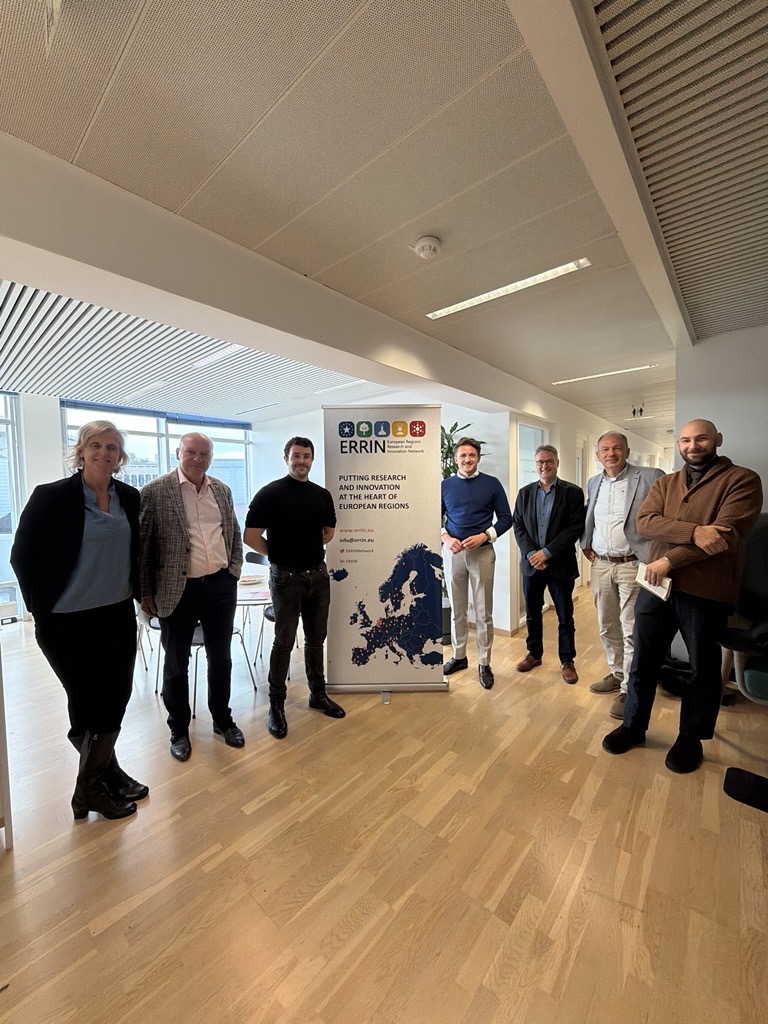
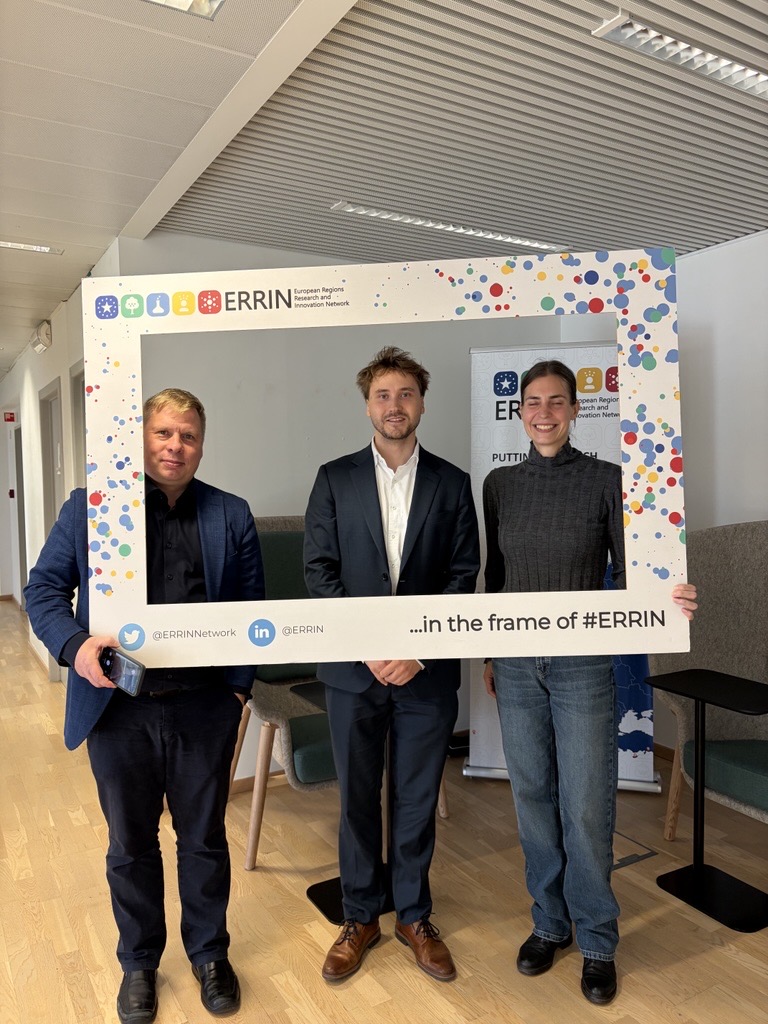
Alongside the official programme, we welcomed several delegations from member regions to our office during the week. These meetings were a chance to hear about their priorities and talk about upcoming projects and policy work.
Thank you to everyone we met, on stage, in the audience and at our office.
The week was also full of moments with our members outside the official programme. On 12 October, Pirita Lindholm joined the roundtable at Connecting Territories: Partnerships for a Resilient, Innovative and Inclusive Europe, organised by EuroVértice with the Region of Murcia Office in Brussels and Greenovate! Europe to celebrate EuroVértice’s 20 years of European cooperation. We also joined the East Netherlands Defence Dinner, where Think East Netherlands brought together regions, companies, knowledge institutions, governments and defence organisations. Discussions were around the need for regions to scale up cooperation on defence and dual-use innovation. Conversations like these feed directly into our work on competitiveness and resilience.
The topics of the week mirror the everyday work of our clusters and working groups, from Natural Resources and Adaptation and Low Carbon to Culture and Creativity and our Strategic Cluster.
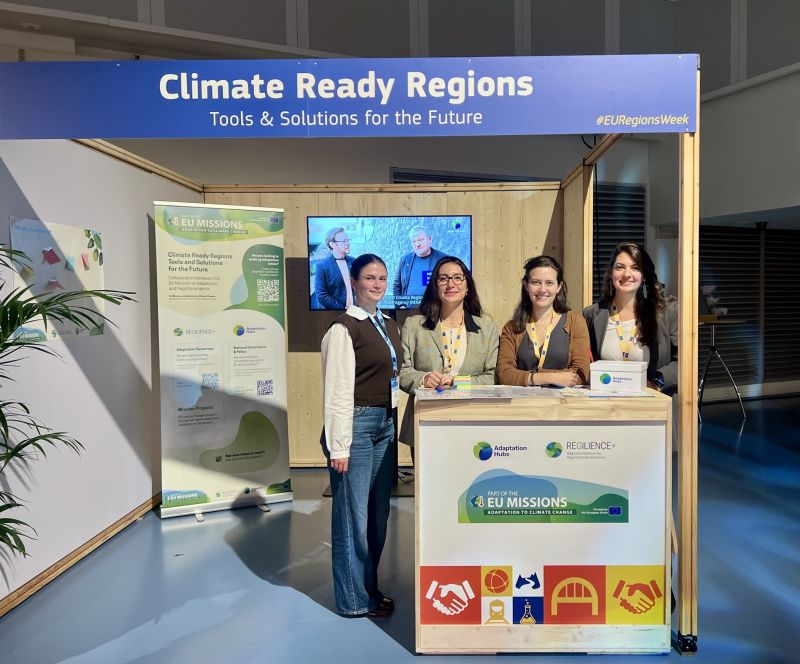
Some of the projects ERRIN is involved in were also part of the week. On 15 October, the RESIST project held a media briefing at the Brussels Press Club, Accelerating Climate Adaptation through Local Media Ecosystems, on how journalists, public authorities, civil society and businesses can work together to support climate adaptation locally. AdaptationHubs had a stand at the Week, and both AdaptationHubs and CapaCITIES contributed to our Mission dialogue, showing how Adaptation Mission Hubs and Mission Cities platforms help different levels of government work together.
ERRIN will keep working on these priorities with our members, through this group activity and our policy work on the next MFF, the European Competitiveness Fund and FP10. These exchanges on their priorities and ideas are what make the week so valuable for us, and they will shape our work in the months ahead.
Cover Picture All rights reserved by #EURegionsWeek